The chronic obstructive pulmonary disease consists of different types of progressive lung diseases. Emphysema and chronic bronchitis are some of the most common COPD. It progresses gradually, making it difficult to breathe. According to the American Lung Association, 24 million people in America live with COPD, and some millions more people are believed to have symptoms but not diagnosed yet.
Symptoms Of COPD
It gets harder to breathe when you have COPD. At the initial stage, there are mild symptoms with intermittent coughing and shortness of breath. Symptoms become more constant with the increasing progress of the disease, and you may experience difficulties breathing, wheezing, and tightness in the chest.
Early Symptoms
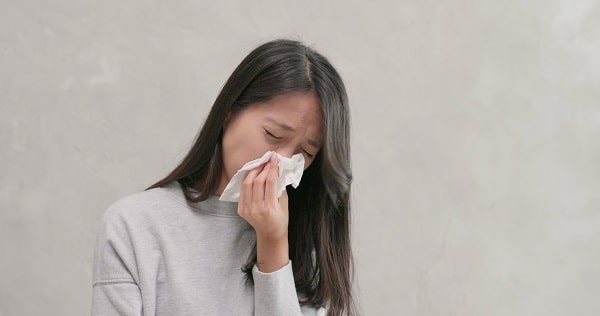
At an early stage, chronic obstructive pulmonary disease symptoms are mild, sometimes mistaken for a cold.
Early symptoms:
Recurrent mild cough
You may feel shortness in breathing occasionally, especially after you have done exercise.
If you clear your throat often, especially after waking up every day in the morning.
Worsening Symptoms
As the lungs become more damaged, it gets harder to ignore the progressive symptoms:
Even mild forms of exercise may lead to shortness of breath.
Wheezing, especially while exhalation
Tightness in chest
Persistent cough with or without mucus
Lack of energy
Frequent respiratory infections, flu or cold
Everyday cleaning of mucus from lungs
Later Stage Symptoms:
Swelling of legs, ankle, or feet
Fatigue
Loss of weight
Symptoms get worse if you are still smoking or expose yourself to secondhand smoke.
Who Gets COPD
COPD affects nearly 16 million people in America. Smoking has been a primary cause of COPD, but you might as well be at higher risk if:
Your age is over 65
You are a woman
Are continuously exposed to air pollution
You have a deficiency of AAT (alpha-1 antitrypsin deficiency)