The significance of diet in maintaining and improving vision cannot be overstated. Evidence suggests certain foods and nutrients can help prevent or delay eye problems. This article explores how nutrition can positively influence ocular health, exploring the foods, vitamins, and minerals key to vision upkeep. Equipped with this knowledge, readers can make dietary choices that not only cater to their palate but also care for their sight.
Understanding How Diet Influences Eye Health

Diet and nutrition play a crucial role in the eyes’ overall health. Certain vitamins and minerals, many antioxidants, can help protect the eyes from macular degeneration and cataracts. According to a study in the American Journal of Ophthalmology, foods rich in lutein, zeaxanthin, and omega-3 fatty acids can help reduce the risk of these age-related eye diseases.
The risks associated with poor nutrition can be serious. A deficiency in vitamins A, C, and E and essential minerals can lead to visual impairment and potentially irreversible eye conditions. It’s thus important to incorporate a diverse range of nutritious foods into our daily diet to ensure we receive these essential nutrients and protect our eyesight in the long run.
The Role Of Antioxidants In Vision Health
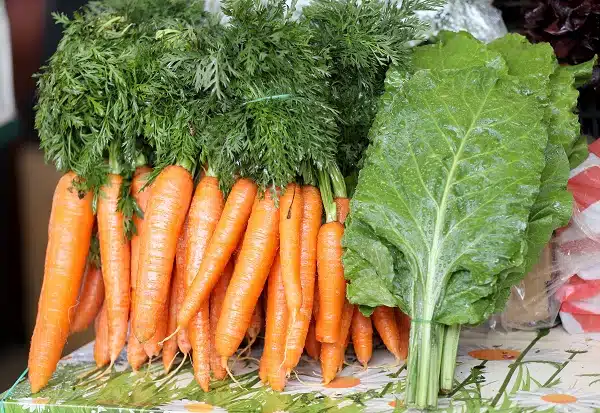
Antioxidants are substances that can prevent or slow damage to cells caused by free radicals, which are unstable molecules the body produces as a reaction to environmental and other pressures. Some antioxidants, particularly lutein and zeaxanthin, are found in high concentrations in the eye’s macula and can help protect the eye from oxidative stress.
A diet rich in these antioxidants can greatly contribute to eye health. Green leafy vegetables such as spinach and kale, broccoli, and peas are excellent sources of lutein and zeaxanthin. Additionally, these nutrients are also found in high concentrations in egg yolks. Regularly consuming these foods can provide a natural defense against certain eye conditions.
Vitamins Essential For Good Vision

Several vitamins are crucial to eye health, including vitamins A, C, and E. Vitamin A, for instance, is essential for maintaining the eye’s light-sensing cells, known as photoreceptors. A deficiency in vitamin A can lead to night blindness, a condition that affects your ability to see in low light or darkness. Foods high in vitamin A include carrots, sweet potatoes, and green leafy vegetables.
Vitamin C and E, on the other hand, are powerful antioxidants that can protect the eyes against damaging free radicals. Vitamin C is particularly effective in combating the progression of age-related macular degeneration and the formation of cataracts. Citrus fruits like oranges, lemons, and berries are excellent sources of vitamin C, while Vitamin E can be found in nuts and seeds, spinach, and broccoli. It’s beneficial to regularly include these vitamin-rich foods in your diet to keep your eyes healthy.
Minerals Beneficial to Eye Health

Essential minerals, such as Zinc and Selenium, contribute significantly to eye health. Zinc is often called “the helper molecule” as it is vital in bringing vitamin A from the liver to the retina to produce melanin, a protective pigment in the eyes. Furthermore, high levels of zinc are found in the macula, part of the retina, suggesting its importance in visual health. Zinc-rich foods include beef, oysters, pumpkin seeds, and lentils.
Similarly, Selenium, a powerful antioxidant, works with vitamins C and E to prevent oxidative stress in the body, which can lead to macular degeneration and cataracts. Selenium can be found in Brazil nuts, seafood, and whole grains. Ensuring your diet includes these minerals can provide significant benefits for maintaining and improving your vision.