Skip to content

Don’t Ignore These Warning Signs of a Stroke

Recognizing the warning signs of a stroke can be a matter of life and death. Early detection is crucial for effective treatment and can significantly reduce the risk of long-term disability or fatality. This article will serve as a comprehensive guide to understanding the key warning signs of a stroke, debunking common myths, and offering actionable advice. The aim is to equip you with the knowledge to take immediate action, potentially saving a life.

Understanding What a Stroke Is

Don't Ignore These Warning Signs of a Stroke

A stroke occurs when the blood supply to a part of the brain is interrupted or reduced, depriving brain tissue of oxygen and nutrients. Within minutes, brain cells begin to die, making immediate medical intervention imperative. There are primarily two types of strokes: Ischemic, caused by a clot obstructing blood flow to the brain, and Hemorrhagic, caused by a blood vessel rupturing and preventing blood flow to the brain. Understanding the types and mechanics of a stroke is the first step in recognizing its warning signs.

Stroke is not a condition to be taken lightly; it is the second leading cause of death worldwide and a major cause of disability. In the United States alone, nearly 800,000 people experience a stroke each year. Knowing what a stroke is and how prevalent it is can underscore the urgency of recognizing its symptoms and taking prompt action.

The Brain-Body Connection
Don't Ignore These Warning Signs of a Stroke

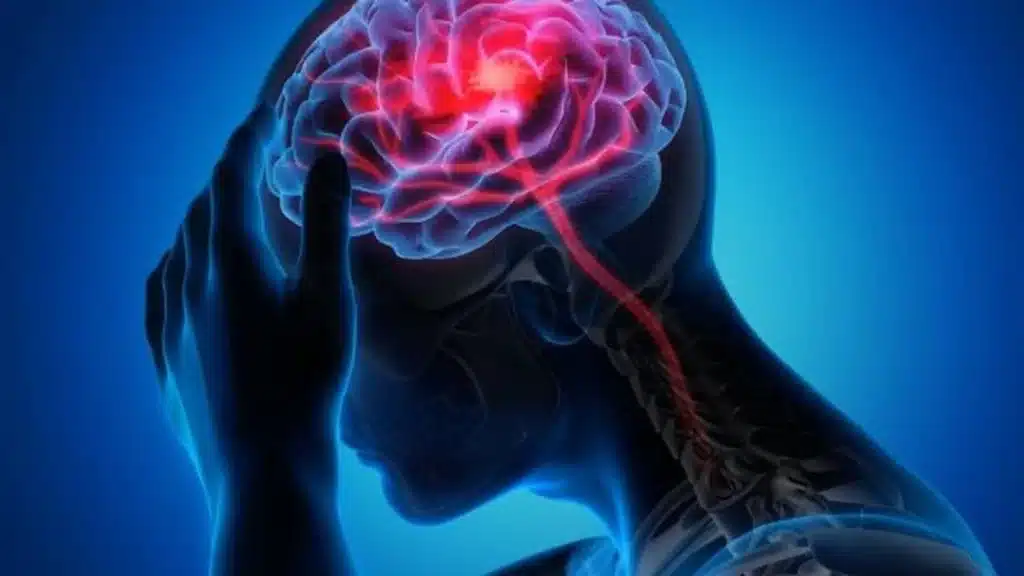
The brain is the control center of the body, responsible for everything from movement and sensation to thought and emotion. When a stroke occurs, the affected area of the brain can no longer function properly, leading to a range of symptoms that reflect the brain’s diverse roles. Understanding the brain-body connection can help you better recognize the signs of a stroke, as symptoms often manifest in ways that may initially seem unrelated to brain health.

Blood flow is critical for brain function. The brain requires a constant supply of oxygen and nutrients to operate effectively. When blood flow is interrupted, as in the case of a stroke, the consequences can be immediate and severe. This is why it’s crucial to act quickly when you notice warning signs, as every second counts in minimizing brain damage.

Common Myths About Strokes

Don't Ignore These Warning Signs of a Stroke

One of the barriers to effective stroke response is the prevalence of myths and misconceptions. A common myth is that strokes only happen to older people. While it’s true that risk increases with age, strokes can and do occur at any age. Even children and young adults are not immune, and ignoring symptoms because of an assumption based on age can be a fatal mistake.

Another widespread myth is that strokes are not preventable. Many people believe that strokes are simply a matter of bad luck or genetics. While genetic factors can play a role, lifestyle choices such as diet, exercise, and smoking also significantly impact stroke risk. Understanding that strokes can often be prevented can empower individuals to make healthier choices and be more vigilant about monitoring for symptoms.

The F.A.S.T. Method

Don't Ignore These Warning Signs of a Stroke

The F.A.S.T. method is a simple and widely recognized way to remember the most common symptoms of a stroke. The acronym stands for Face, Arms, Speech, and Time. If you notice someone’s face drooping on one side, or if they are unable to lift both arms evenly, or if their speech is slurred or strange, it’s time to call emergency services immediately. The “T” in F.A.S.T. stands for Time, emphasizing the urgency of quick action.

Time is of the essence when it comes to stroke treatment. The sooner medical intervention is received, the better the chances of minimizing brain damage and disability. The F.A.S.T. method is not just a mnemonic; it’s a life-saving strategy. It’s crucial to teach this method to family members and friends, as you never know when this knowledge will come in handy.

Other Subtle Warning Signs

Don't Ignore These Warning Signs of a Stroke

While the F.A.S.T. method covers the most common symptoms, there are other, more subtle warning signs that should not be ignored. These include sudden confusion or trouble understanding simple statements, difficulty seeing in one or both eyes and a sudden loss of balance or coordination. These symptoms may not be as immediately recognizable as those in the F.A.S.T. method but are equally indicative of a stroke.


Ignoring these subtle signs can have severe consequences. Often, these symptoms are brushed off as signs of fatigue or stress. However, they can be indicative of a “mini-stroke,” also known as a transient ischemic attack (TIA), which can be a precursor to a full-blown stroke. Recognizing and acting upon these subtle signs can be just as life-saving as acknowledging the more obvious symptoms.

Gender-Specific Symptoms

Don't Ignore These Warning Signs of a Stroke

It’s important to note that stroke symptoms can manifest differently in men and women. For example, men are more likely to experience traditional symptoms like face drooping, arm weakness, and speech difficulties. However, women may experience unique symptoms like sudden nausea, shortness of breath, and even fainting. Understanding these gender-specific symptoms can aid in quicker diagnosis and treatment.

Ignoring gender-specific symptoms can lead to delayed treatment, which can be especially detrimental for women, who generally have worse stroke outcomes compared to men. Awareness of these differences is not just for the individual at risk but also for family members and caregivers who may be the first to notice these symptoms. Being informed about gender-specific signs can make a significant difference in the speed and effectiveness of treatment.

Immediate Actions to Take

Don't Ignore These Warning Signs of a Stroke

When you or someone around you shows signs of a stroke, immediate action is crucial. The first step is to call emergency services as quickly as possible. Do not attempt to drive to the hospital yourself; it’s essential to wait for an ambulance that can provide initial medical care en route. While waiting, note the time the symptoms first appeared, as this information can be crucial for medical professionals in determining the best course of treatment.

In addition to calling for help, make the person as comfortable as possible. Have them sit or lie down in a safe position, loosen any tight clothing, and keep them calm while waiting for medical assistance. Do not give them anything to eat or drink, as this could complicate medical procedures. The key is to keep the person stable while waiting for professional medical intervention.

Prevention and Risk Factors

Don't Ignore These Warning Signs of a Stroke

Preventing a stroke is often possible through lifestyle changes and medical treatment for underlying conditions. High blood pressure, high cholesterol, and smoking are significant risk factors that can be managed through medication and lifestyle adjustments. Regular exercise, a balanced diet rich in fruits and vegetables, and smoking cessation are effective ways to lower stroke risk.

Regular medical check-ups are also crucial for stroke prevention. These visits can help monitor risk factors like blood pressure and provide an opportunity for early intervention. Some people may require medications like anticoagulants to reduce their stroke risk further. Being proactive about your health can go a long way in preventing a stroke and reducing the severity if one does occur.

The Importance of Being Informed and Prepared

Early detection and immediate action are vital when it comes to strokes. This blog has provided a comprehensive guide to understanding the warning signs, debunking myths, and offering actionable advice for both prevention and immediate response. The importance of recognizing gender-specific symptoms and subtle signs alongside the more commonly known symptoms has been emphasized. The aim has been to equip readers with the knowledge needed to act swiftly and effectively in a critical situation. Sharing this information with family and friends can make a significant difference, potentially saving lives and reducing the risk of long-term disability.

Leave a Reply

Your email address will not be published. Required fields are marked *

This site uses Akismet to reduce spam. Learn how your comment data is processed.