

The Role of Whole Grains

Whole grains play an essential role in an anti-inflammatory diet. Unlike refined grains, whole grains like oats, brown rice, and quinoa are rich in fiber, minerals, and antioxidants that help fight inflammation. The fiber found in whole grains can aid in digestion and help regulate blood sugar levels, which is crucial in reducing inflammation. Oats, for instance, are not only high in fiber but also contain avenanthramides, antioxidants that help lower blood pressure and reduce inflammatory responses.
Brown rice and quinoa are also excellent choices. They provide essential nutrients like magnesium, which is known for its anti-inflammatory properties. These grains can be a healthier alternative to white rice and other refined grains, which are often stripped of beneficial nutrients. Incorporating whole grains into meals is simple, from using quinoa in salads to swapping white bread with whole-grain varieties, thus contributing to a balanced, anti-inflammatory diet.
Healthy Fats and Oils

The type of fats and oils consumed in the diet greatly influences inflammation levels. Healthy fats, particularly those rich in omega-3 fatty acids, are vital in reducing inflammation. Olive oil, a staple of the Mediterranean diet, is renowned for its anti-inflammatory properties, mainly due to a compound called oleocanthal, which has been shown to have effects similar to anti-inflammatory drugs. Avocado oil is another excellent choice, rich in monounsaturated fats and antioxidants that help reduce inflammation.
Omega-3 fatty acids, found in fatty fish, flaxseeds, and walnuts, play a crucial role in combating inflammation. They can lower the production of molecules and substances linked to inflammation, such as inflammatory eicosanoids and cytokines. For cooking, using olive or avocado oil can be a healthier alternative to other vegetable oils high in omega-6 fatty acids, which can contribute to inflammation when consumed in excess. Additionally, incorporating fatty fish like salmon into your diet a few times a week can provide a healthy dose of omega-3s, aiding in inflammation reduction.
Spices and Herbs
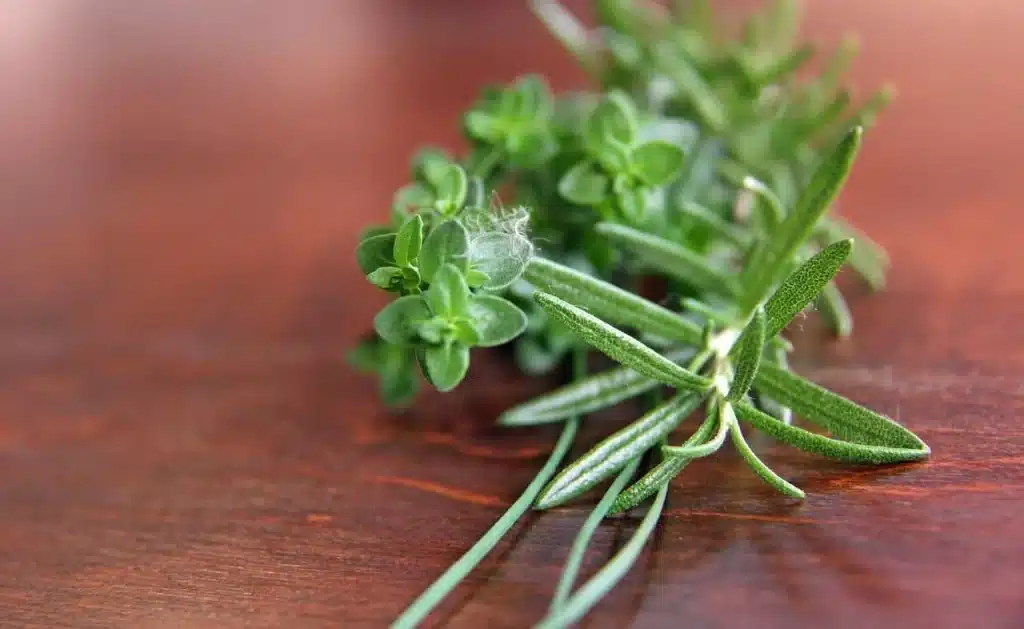
Spices and herbs are not just flavor enhancers; they are also powerful allies in the fight against inflammation. Turmeric, for example, contains curcumin, a compound with strong anti-inflammatory and antioxidant properties. Studies have shown that curcumin can match the effectiveness of some anti-inflammatory drugs without the side effects. Incorporating turmeric into your diet can be as simple as adding it to smoothies, curries, or soups. Similarly, ginger, another spice known for its anti-inflammatory properties, can be used in a variety of dishes or consumed as a tea.
Herbs like rosemary and thyme are also beneficial in reducing inflammation. They contain compounds such as rosmarinic acid and thymol, which have been shown to have anti-inflammatory effects. These herbs can easily be included in daily cooking, offering a flavorful way to reduce inflammation. Basil, with its unique oils like eugenol, also possesses anti-inflammatory properties. Adding these herbs to dishes not only enhances the flavor but also contributes to a healthier, anti-inflammatory diet.
Beverages and Their Benefits

Certain beverages can play a significant role in reducing inflammation. Green tea, for instance, is rich in antioxidants called catechins, which are known to have anti-inflammatory properties. Epigallocatechin gallate (EGCG), a catechin found in green tea, has been shown to reduce inflammatory markers and protect against certain chronic diseases. Regular consumption of green tea can be a simple yet effective way to help manage inflammation.
Bone broth, another beverage with anti-inflammatory benefits, is rich in minerals and amino acids like glycine and proline, which can help reduce inflammation and aid in gut health. Hydration, in general, is crucial in managing inflammation. Drinking sufficient water throughout the day helps flush out toxins and reduce inflammation. Herbal teas and fresh vegetable juices can also be included in a diet to increase fluid intake while providing additional anti-inflammatory benefits.
Embracing Anti-Inflammatory Eating for Better Health
Embracing a diet rich in anti-inflammatory foods is a vital step towards enhancing overall health and well-being. Incorporating a variety of fruits, vegetables, nuts, seeds, whole grains, healthy fats, spices, herbs, and beneficial beverages can significantly reduce inflammation and lower the risk of chronic diseases. While diet alone isn’t a cure-all, it plays a crucial role in managing inflammation and promoting a healthier lifestyle. Alongside regular exercise and medical advice, adopting these dietary changes can lead to noticeable improvements in health and a stronger, more resilient body.