
Changes In Color Vision

Another standard change in vision as you age is a decrease in color vision. This occurs when the cones responsible for seeing colors start to die off. As a result, you may find it harder to distinguish between colors. In some cases, you may lose the ability to see specific colors altogether.
There is no cure for this condition, but there are ways to compensate. For example, you can increase the contrast between colors by wearing contrasting colors or using a different type of light bulb with brighter lights to help you see. If these methods don’t seem to help, you can ask your doctor about color blindness correction surgery. With the proper treatment, you can continue to enjoy all the colors of life.
Loss Of Depth Perception
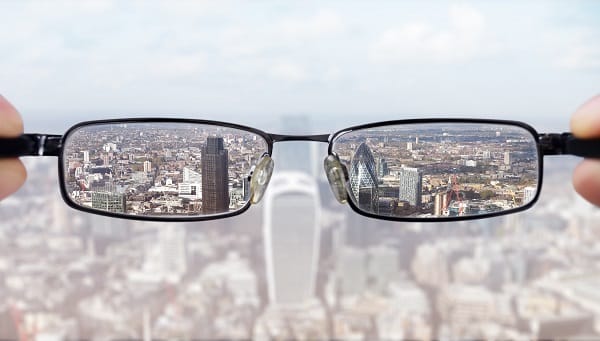
Depth perception is the ability to see objects in three dimensions and judge distances between them. It is an essential part of everyday life, allowing us to navigate our environment and avoid obstacles. Unfortunately, depth perception deteriorates with age, making falls and other accidents more likely.
There are several reasons for this decline. First, the lenses of the eyes harden and yellow with age, reducing the amount of light that reaches the retina. Second, the muscles that control eye movement weaken, preventing the eyes from making fine adjustments.
Finally, the brain becomes less efficient at processing visual information. There are several ways to counteract these effects and improve depth perception. For example, wearing glasses or contact lenses can help to sharpen vision. Taking regular breaks when working or reading can also help to keep the eyes muscles strong. Additionally, you can improve your depth perception by using visual aids such as mirrors or raised lines. By taking the proper steps, you can maintain your independence and stay safe in your environment.
Loss Of Vision

One of the scariest things that can happen as you get older is losing your vision. This can be due to several factors, including changes in the eye’s lens, damage to the retina, and reduced blood flow to the eyes. Vision loss can make it impossible to do everyday activities like reading and driving. There are a few ways to deal with vision loss. One is to use magnifying glasses or other devices to help you see better.
Another is to use special lighting that makes it easier to see. You can also make changes to your home, such as adding more light fixtures or removing obstacles from hallways and doorways. Finally, you can learn adaptive techniques, such as using your other senses to compensate for your vision loss. You can adjust to vision loss and continue living a full life with some time and effort.
Conclusion
As you can see, there are many ways to deal with changes in your vision as you age. By taking the proper steps, you can maintain your independence and enjoy life to the fullest. So don’t be afraid to face the challenges that come with aging eyes-there is help available. For more information, talk to your doctor or visit a specialist who can help you get back on track.