As we enter retirement, maintaining our health becomes a top priority, and this includes our ear health. Often overlooked, our ears play a crucial role in our overall well-being, especially as we age. Hearing loss, commonly associated with aging, can significantly impact our quality of life, affecting everything from social interactions to mental health. This article focuses on various strategies to keep our ears young and our hearing sharp post-retirement, ensuring that we can continue to enjoy life to the fullest in our golden years.
Understanding Age-Related Hearing Loss

Age-related hearing loss, or presbycusis, is a natural part of the aging process, but its impact can be far-reaching. It often begins with difficulty in hearing high-pitched sounds and understanding speech in noisy environments, gradually worsening over time. This type of hearing loss results from changes in the inner ear and auditory nerve, and it’s further influenced by genetic factors, long-term noise exposure, and certain health conditions like diabetes or hypertension. Understanding these factors is crucial in taking proactive steps to manage and possibly slow down the progression of hearing loss.
Despite its commonality, many retirees are either unaware or in denial about their hearing loss, which can lead to delayed treatment and increased risks of social isolation, depression, and cognitive decline. Early recognition of symptoms and understanding the underlying causes is vital. This knowledge empowers individuals to seek timely medical advice and adopt strategies to manage their hearing health effectively.
Regular Hearing Assessments

Regular hearing assessments are a cornerstone of maintaining ear health post-retirement. These evaluations not only detect hearing loss but also help in tracking its progression over time. Hearing specialists recommend that individuals over 60 should have their hearing tested annually, as early detection significantly increases the effectiveness of treatment options. During these assessments, audiologists use various tests to determine the type and degree of hearing loss, which is essential for tailoring appropriate interventions.
These assessments also provide an opportunity to educate retirees about hearing health and the available support options. They can be a gateway to discussions about lifestyle changes, hearing aids, or other assistive devices that can enhance hearing. Moreover, regular check-ups can help identify other health issues that might be contributing to hearing loss, ensuring a holistic approach to health management in retirement.
Hearing Aid Technologies and Advances
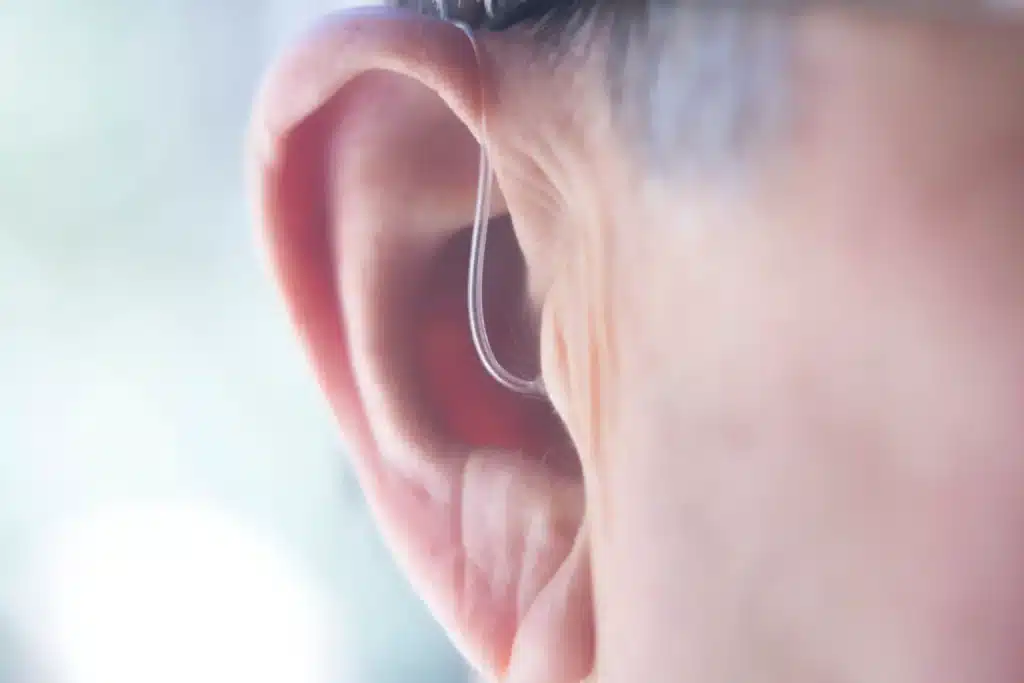
The world of hearing aids has seen remarkable advancements in recent years, offering retirees a range of options to improve their hearing experience. Modern hearing aids are not only more effective but also more discreet and comfortable than ever before. They come equipped with advanced features like wireless connectivity, directional microphones, and noise reduction technologies, significantly improving the quality of life for those with hearing loss.
Selecting the right hearing aid can be a daunting task, given the plethora of options available. It’s important to consult with an audiologist who can recommend devices based on the individual’s specific hearing needs, lifestyle, and budget. The integration of digital technology in hearing aids has also enabled personalization, allowing users to adjust settings according to different environments. This personalization ensures that users can enjoy clear and natural sound quality in various settings, from quiet conversations at home to noisy social gatherings.
Protecting Your Ears from Noise Damage

Exposure to loud noise is a major contributor to hearing loss, and it’s especially important for retirees to protect their ears from further damage. Prolonged exposure to noise levels above 85 decibels, the equivalent of heavy city traffic, can lead to permanent hearing loss. Therefore, understanding and minimizing exposure to such noise is key. This includes avoiding loud environments when possible and using protective gear like earplugs or noise-canceling headphones in unavoidably noisy situations.
In addition to avoiding loud noises, retirees should be aware of the noise levels in everyday situations. Activities like attending concerts, mowing the lawn, or even using a hairdryer can expose ears to harmful noise levels. By being conscious of these environments and taking proactive steps to protect their ears, retirees can significantly reduce the risk of noise-induced hearing loss. Simple habits, such as lowering the volume on personal audio devices and taking regular breaks in noisy environments, can also be highly effective.
Healthy Lifestyle for Ear Health

A healthy lifestyle can have a profound impact on maintaining good ear health. Diet plays a crucial role, with certain nutrients like omega-3 fatty acids, potassium, and magnesium being beneficial for hearing. Foods rich in these nutrients, such as fish, bananas, and dark leafy greens, should be a regular part of a retiree’s diet. Additionally, regular exercise helps improve blood circulation, which is essential for the health of the inner ear, as it relies on good blood flow to function optimally.
Avoiding harmful habits is equally important. Smoking and excessive alcohol consumption can both negatively impact hearing. Smoking, in particular, restricts blood flow to the ears, while alcohol can alter the auditory environment in the inner ear. Retirees should also manage other health conditions that can affect hearing, such as diabetes and hypertension, by following medical advice and maintaining a healthy lifestyle. By combining a balanced diet, regular exercise, and avoidance of harmful habits, retirees can significantly contribute to maintaining their ear health.
Engaging in Auditory Training Exercises

Auditory training exercises are designed to improve the brain’s ability to process sounds, which can be especially beneficial for retirees experiencing age-related hearing loss. These exercises involve tasks that train the ears and brain to better recognize and interpret sounds, which can enhance overall listening and communication skills. Examples include practicing focusing on a single voice in a noisy environment or using apps and online programs designed to improve specific auditory skills.
These exercises are not only effective but can also be a fun and engaging way to maintain cognitive health. Many auditory training programs are interactive and can be done at home, making them a convenient option for retirees. Regular engagement in these exercises can lead to noticeable improvements in understanding speech, especially in challenging listening environments. Moreover, they can also help in adapting to new hearing aids, making the transition smoother and more effective.
Utilizing Technology for Hearing Enhancement

The advent of technology has brought about a range of tools and devices that can significantly enhance hearing for retirees. Assistive listening devices (ALDs), for instance, can amplify sounds in specific situations, like watching TV, attending a lecture, or having a conversation in a noisy restaurant. These devices work by reducing background noise and increasing the volume of the primary sound source, making it easier for individuals with hearing loss to follow conversations. Additionally, there are various smartphone apps available that can turn a mobile device into a powerful hearing aid, providing real-time captioning or amplifying sounds directly through earphones.
Beyond these, there are also specialized telephones and alarm systems designed for those with hearing impairments. These devices often come with extra-loud ringers, visual indicators, or vibrating alerts to ensure that important calls or alarms are not missed. The integration of hearing technologies into everyday life not only improves the ability to communicate but also enhances safety and independence for retirees. Embracing these technologies can make a significant difference in managing hearing loss and maintaining a high quality of life.
Staying Socially Active to Maintain Hearing Skills

Maintaining social connections in retirement is crucial not only for emotional well-being but also for hearing health. Social interactions challenge our auditory system, keeping it active and engaged. Regular conversation requires the brain to process different sound frequencies, recognize speech patterns, and interpret meaning, which can help in maintaining and even improving auditory skills. Engaging in social activities, whether it’s joining a club, volunteering, or regularly meeting with friends and family, can provide these valuable auditory exercises.
Moreover, staying socially active helps in combating the isolation that often accompanies hearing loss. Isolation can lead to a decline in auditory processing abilities due to reduced stimulation. By actively participating in social activities, retirees can ensure that their ears and brains continue to be stimulated and challenged. This active engagement not only helps in maintaining hearing skills but also contributes to overall cognitive health, reducing the risk of conditions like depression and dementia.
Embracing a Future of Healthy Hearing
The journey to keeping our ears young and our hearing sharp post-retirement encompasses a variety of strategies, from regular hearing assessments and embracing advanced hearing aids to leading a lifestyle conducive to ear health and staying socially active. By understanding the importance of ear health and adopting these proactive measures, retirees can significantly enhance their quality of life. It’s not just about hearing better; it’s about living a fuller, more connected life. This proactive approach towards ear health is a vital step in ensuring a vibrant and engaging retirement.