As a senior, it is more important than ever to stay on top of your finances. The years ahead can be unpredictable, so it’s essential to have a plan. However, no one ever said that getting older was easy, especially regarding money. Between retirement planning and health care costs, there are many things to think about. But don’t worry, help is here! This post will give you some tips on managing your finances as a senior. So read on for helpful advice on everything from budgeting to investing!
Know What Money You Have Coming In

One of the most important things to know when managing your finances as a senior is what money you have coming in. This includes income from Social Security, pensions, investments, and other sources. Once you know your monthly income, you can budget for your expenses and ensure that your money lasts. There are a few different ways to calculate your monthly income, but a straightforward method takes your annual income and divides it by twelve. This will give you a reasonable estimate of how much money you have coming in each month. Knowing your monthly income is an essential part of financial management, so calculate it accurately. With this information, you can confidently plan for your future financial security.
Understand Where Your Money Is Invested

As a senior citizen, it’s a good idea to closely look at your finances and make sure you understand where your money is invested. With so many different options available, it can be challenging to know which ones are right for you. However, learning about the different types of investments can help you make more informed decisions about your money. There are three main types of investments: stocks, bonds, and cash equivalents. Each has its benefits and risks, so it’s important to consider your options before making any decisions carefully. Stocks tend to be more volatile than other options, but they also have the potential for higher returns. Bonds are generally less volatile and provide a steadier income stream, but their returns are typically lower. Cash equivalents, such as savings accounts and CDs, tend to be the safest option but offer the least growth potential. Once you’ve decided which type of investment is right for you, the next step is to choose specific investments within that category. For stocks, you might select individual companies or stocks or invest in a mutual or exchange-traded fund that owns a variety of stocks. You can choose from corporate bonds, government bonds, or municipal bonds for bonds. And for cash equivalents, you can choose from savings accounts, CDs, and money market accounts.
Have A Clear Budget In Place
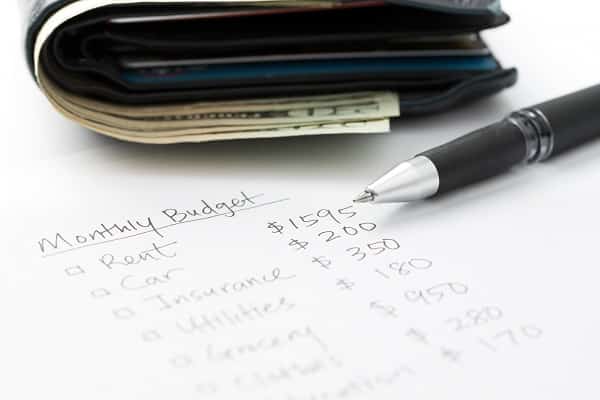
As you get older, your financial needs and responsibilities change. Retirement, medical expenses, and estate planning all become top priorities. For many seniors, managing their finances can be a daunting task. However, one of the best things you can do is create a clear budget. Knowing where your money is going each month makes it easier to make informed decisions about your spending. Setting a budget also gives you a better idea of how much you can afford to save during retirement for other long-term goals. And if you ever find yourself in a tight spot financially, having a budget can help you make cuts in other areas of your spending to stay on track. So whether you’re just starting to think about retirement planning or already retired, creating a budget is a smart way to keep your finances on track.