Social Withdrawal and Mental Inactivity
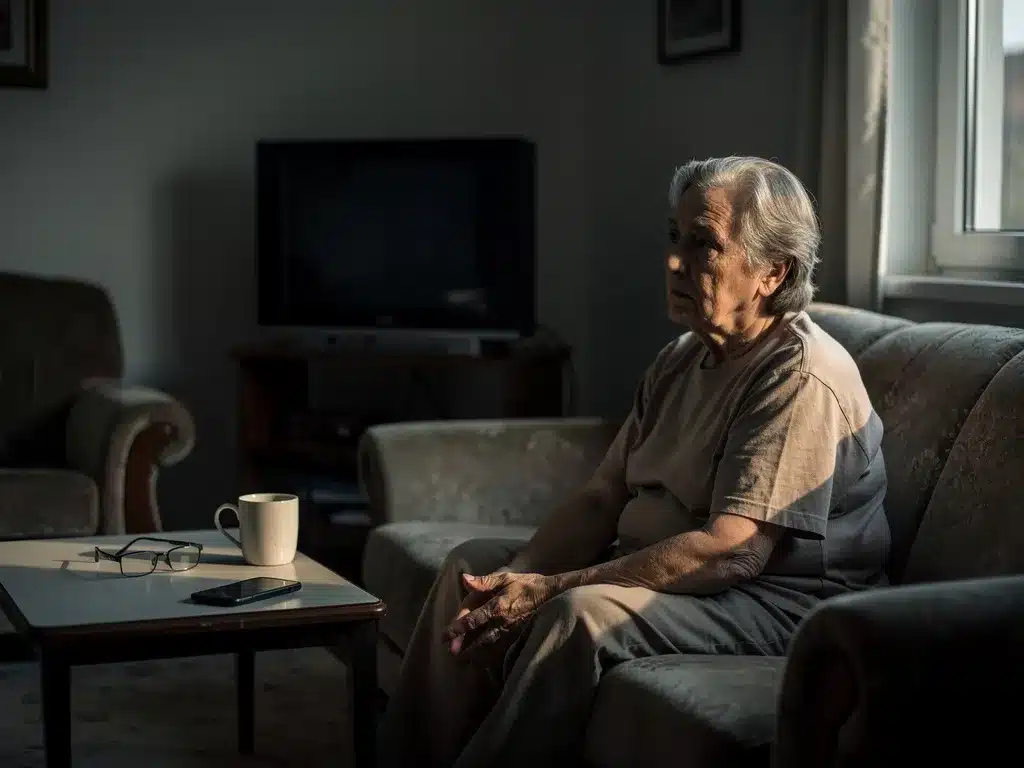
Retirement, the loss of a spouse or friends, and reduced mobility can shrink a person’s social world. Social isolation has been named as a risk factor in major dementia reports, and loneliness has also been the subject of growing research. It is difficult to separate cause from effect, since early cognitive changes can themselves lead people to withdraw. Even so, staying connected to family, friends, faith communities, volunteer groups, or clubs is widely encouraged as part of healthy aging.
Mental engagement works along similar lines. Learning new skills, reading, playing games, and pursuing hobbies are often recommended. Researchers do not agree that any specific puzzle or “brain training” product can prevent decline, and commercial claims in this area have drawn scrutiny. The more reliable message is that varied, challenging, and enjoyable activities, ideally shared with others, are a reasonable part of a brain-healthy routine.
Contextual Breakdown: Common Mistakes by Area of Life (Editorial Categorization)
Senses
Leaving hearing and vision changes unchecked.
Body
Inactivity, unmanaged blood pressure or diabetes, poor sleep.
Mind and Connection
Untreated depression, isolation, little mental stimulation.
Substances and Medications
Smoking, heavy drinking, unreviewed prescriptions.
This grouping is an editorial categorization for context. It is not measured data and does not rank risks.
Smoking, Heavy Drinking, and Unreviewed Medications

Smoking and excessive alcohol consumption are both listed among the modifiable risk factors in major dementia-prevention reviews. Smoking harms blood vessels throughout the body, and heavy, long-term drinking is associated with brain damage and cognitive problems. Health agencies generally note that it is not too late to benefit from quitting smoking, and older adults are often advised to discuss safe alcohol limits with a doctor, since age-related changes and medications can alter how the body handles alcohol.
Medications are an often overlooked piece. Many older adults take several prescriptions, and some drug classes, including certain sedatives, sleep aids, and medications with anticholinergic effects, are flagged in clinical guidance for older patients because they may cause confusion or memory problems. The American Geriatrics Society publishes the Beers Criteria to help clinicians identify medications that may be inappropriate for older adults. The mistake is not necessarily taking these drugs, but continuing them for years without a periodic review. Patients should never stop a prescribed medication on their own, and should instead ask a doctor or pharmacist to review the full list, including supplements and over-the-counter products.
Waiting Too Long to Seek a Memory Evaluation
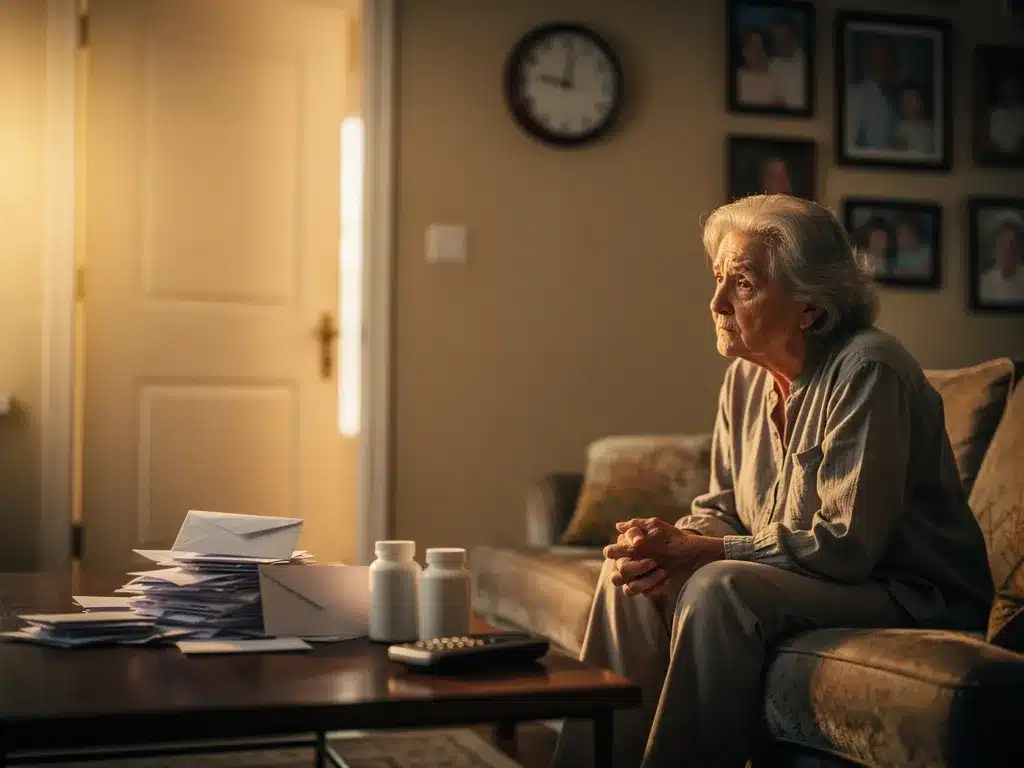
Perhaps the most consequential mistake is delay. Families often notice changes, such as repeated questions, trouble managing bills, or getting lost in familiar places, but hesitate to bring them up out of worry, denial, or the belief that nothing can be done. The Alzheimer’s Association and the National Institute on Aging both encourage people to seek an evaluation when memory problems begin to interfere with daily life.
An evaluation can identify reversible contributors, establish a baseline for future comparison, and, where dementia is diagnosed, open access to treatments, support services, and planning. Some medications approved for Alzheimer’s disease aim to ease symptoms, and newer treatments have been developed for early-stage disease, though their benefits and risks are weighed individually with a physician. Early diagnosis also gives individuals a chance to take part in decisions about their own care, finances, and legal matters while they are best able to do so. Head injuries also warrant prompt attention, and wearing seat belts, using handrails, and reducing fall hazards at home are practical protections.
Protecting Memory After 65: Small Corrections That Add Up

The habits that may speed up memory decline after 65 are, for the most part, ordinary and correctable: leaving hearing and vision problems untreated, moving too little, sleeping poorly, living with unmanaged blood pressure or diabetes, withdrawing from other people, overlooking depression, relying on unreviewed medications, and waiting too long to seek answers. Research in this field is ongoing, and scientists caution that observed links do not always prove cause and effect, so no routine can promise protection against dementia. Even so, the steps suggested by major health organizations also support overall health and quality of life, which makes them worthwhile on their own terms. Anyone worried about their memory, or a loved one’s, should speak with a healthcare professional, who can offer an individual assessment that general articles cannot.
This article is for general information only and is not medical advice. Consult a qualified healthcare provider about personal health concerns.