

Proper Eye Protection

Overexposure to UV rays can damage the eyes and increase the risk of cataracts, macular degeneration, and other eye conditions. To protect the eyes, wearing sunglasses with 100% UV protection when outdoors is important. Sunglasses should be worn even on cloudy days, as UV rays can penetrate clouds and cause damage.
In addition, protective eyewear should be worn during specific activities that can pose a risk of eye injuries, such as sports or work. Safety glasses, goggles, or face shields can help prevent eye injuries and should be worn whenever necessary.
Regular Eye Exams

Regular eye exams are essential for maintaining good eye health. Eye exams can help detect early signs of eye diseases and conditions, allowing for early intervention and treatment.
Eye exams should be conducted at least once every two years for people aged 18-60 with no history of eye disease. For people over 60, eye exams should be conducted annually.
Proper Eye Hygiene

Proper eye hygiene is crucial for preventing eye infections and other eye conditions. It is important to wash hands before touching the eyes, as bacteria and viruses can easily be transferred from the hands to the eyes.
In addition, proper contact lens care is essential for preventing eye infections. Contact lenses should be cleaned and disinfected as directed by the manufacturer and should never be worn longer than recommended.
Give Your Eyes A Break

Giving your eyes a break is one of the most important tips for maintaining your eye health and preventing vision loss. Taking regular breaks from staring at digital screens, whether a computer, tablet, or phone, is essential for preserving your vision and eye health. Look away from the screen every 20 minutes and focus on something 20 feet away for at least 20 seconds. This will help to prevent eyestrain, fatigue, headaches, neck tension, and blurred vision. Allowing your eyes to relax can help you focus better when you return to the screen.
Taking these simple steps as part of an eye care regimen can go a long way in helping you maintain healthy eyesight well into the future! Some studies suggest this may reduce long-term eye damage caused by extended screen time. Lighting is also important when taking breaks, as brightly lit areas are ideal for relieving strained eyes.
Managing Chronic Conditions
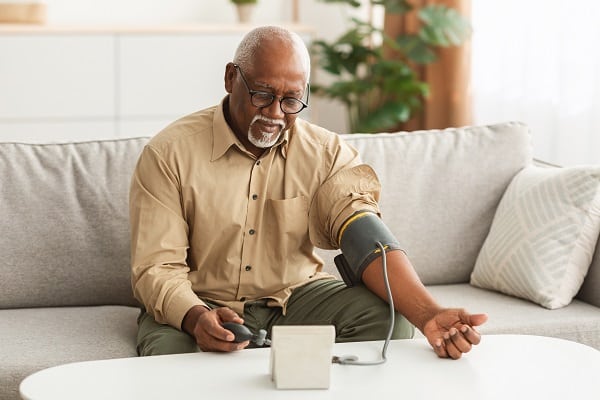
Chronic conditions such as diabetes and high blood pressure can significantly impact eye health. These conditions can increase the risk of eye diseases such as diabetic retinopathy and hypertensive retinopathy.
Managing these conditions through lifestyle changes and medication can help prevent eye complications. This includes following a healthy diet, regular exercise, and monitoring blood sugar and blood pressure levels as directed by a healthcare provider and as mentioned above.
Use These Tips For Maintaining Eye Health And Preventing Vision Loss!
A healthy diet rich in nutrients such as vitamin A, C, E, omega-3 fatty acids, and zinc can help maintain eye health. Regular exercise, proper eye protection, and regular eye exams can also help prevent eye diseases and conditions.
Proper eye hygiene, avoiding eye injuries, and managing chronic conditions such as diabetes and high blood pressure can help prevent eye loss. It is important to seek medical attention if experiencing any changes in vision or eye health. By following these tips, you can maintain good eye health and prevent eye loss, allowing you to continue enjoying the world with clear vision.