
Providing Comfort And Mobility Assistance
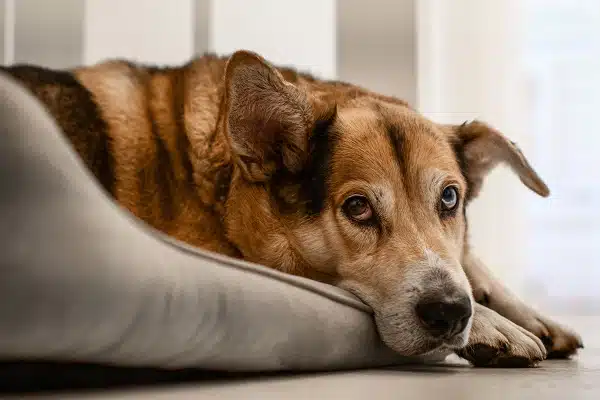
Caring for an elderly dog can be a challenging but rewarding experience. As dogs age, they may experience decreased mobility, making it difficult for them to move around as freely as they used to. As a responsible pet owner, it’s essential to provide comfort and mobility assistance to your furry friend to help them maintain their quality of life. There are many ways to do this, including providing a soft and supportive bed, installing ramps or stairs around the house, and using mobility aids such as harnesses or slings.
Additionally, it’s important to take care of your elderly dog’s physical and emotional needs by providing proper nutrition, exercise, and plenty of love and attention. With a little extra care and attention, you can help your elderly dog live out their golden years in comfort and happiness.
Monitoring And Managing Health Conditions
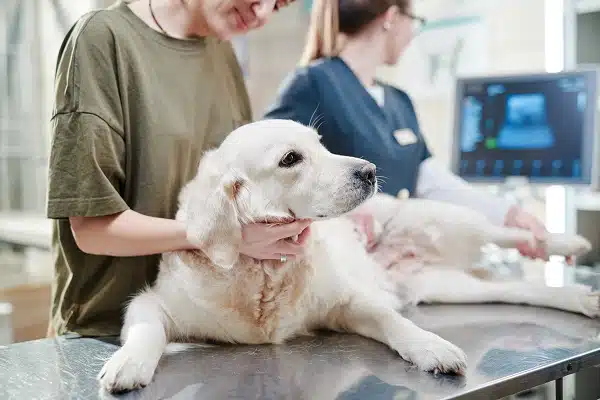
As pet owners, you want your furry friends to live happy and healthy lives for as long as possible. However, like people, dogs may develop health conditions as they age. This is especially true for elderly dogs requiring special attention and care. Monitoring and managing their health conditions become crucial when caring for them.
Regular vet check-ups, proper nutrition, and exercise are some of the critical aspects that can help keep your elderly dog in good health. It’s also essential to monitor their behavior and activity levels and record any changes. Paying close attention to your dog’s health and working with your vet can help ensure that your furry friend enjoys a happy and healthy life in their golden years.
Cognitive Stimulation And Mental Health
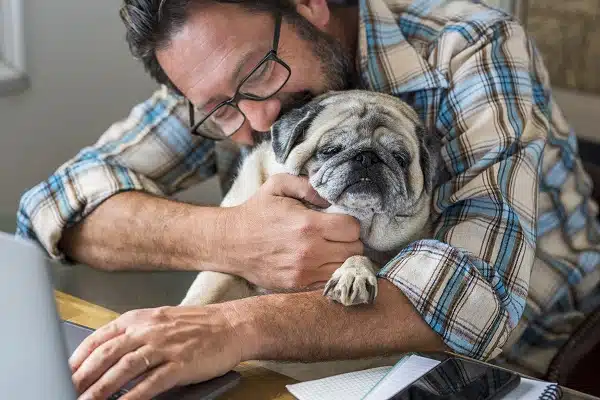
Just like humans, dogs can also suffer from age-related cognitive decline, which can cause distressing changes in their mental functioning. For pet owners caring for an elderly dog, it is essential to recognize the signs and symptoms of cognitive dysfunction. These symptoms include changes in activity levels, disorientation, sleeping patterns, loss of interest in toys or food, and increased anxiety.
Fortunately, there are several ways to promote cognitive stimulation and improve mental health in aging dogs. Activities such as playing games, offering interactive toys, and providing regular exercise can help keep an elderly dog’s brain active and positively affect their overall well-being.
Maintaining A Routine And Quality Of Life
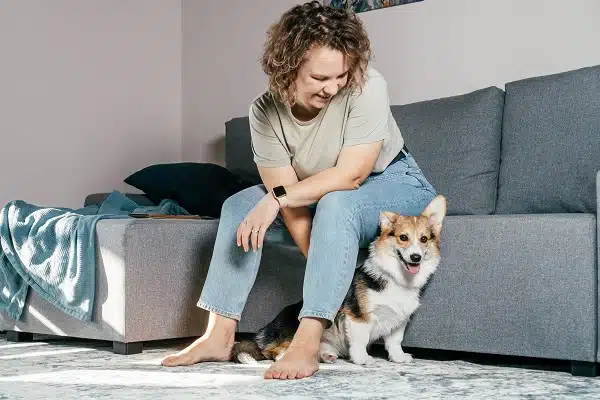
Maintaining their routines and quality of life becomes increasingly important when caring for your elderly dog. Caring for an elderly dog requires a little extra effort but can be incredibly rewarding. Establishing a consistent daily routine around feeding, exercise, and medication intake can help your furry friend feel more secure, comfortable, and less anxious. Activities such as gentle walks, swimming, and mental stimulation can help maintain their physical and mental well-being and can also be great bonding opportunities for you and your dog.
It’s essential to also provide your elderly canine friend with a comfortable and safe environment. A soft bed, easy access to water and food, and regular veterinary check-ups can all contribute to maintaining their quality of life. With a little extra love, care, and attention, you can ensure that your elderly dog lives out their golden years in the happiest and healthiest way possible.
Spend The Extra Time When Caring For An Elderly Dog!
While caring for an elderly dog can be difficult, it is also very rewarding as you build lasting memories together as a family. As they grow older, you must remember that your four-legged companions still need the same love and attention they had when they were younger–maybe even more! By loving them through the inevitable challenges of aging, your pets will continue to appreciate you just as much (and sometimes more!) than ever before!