Never Buy These Things on Black Friday!
A big markdown is not always a good deal, so here is what to skip and when to buy it instead.
Black Friday is packed with doorbusters and limited-time offers, which makes it easy to fill a cart without much thought. Yet shoppers who never buy these things on Black Friday often come out ahead, because some markdowns exist to clear old stock, some lean on inflated original prices, and some products simply cost less at other points in the year. Knowing what to pass on can matter as much as knowing what to grab, so this guide covers the purchases worth pausing on and the better moments to make them.
Electronics, Mattresses, Furniture and Fitness Gear
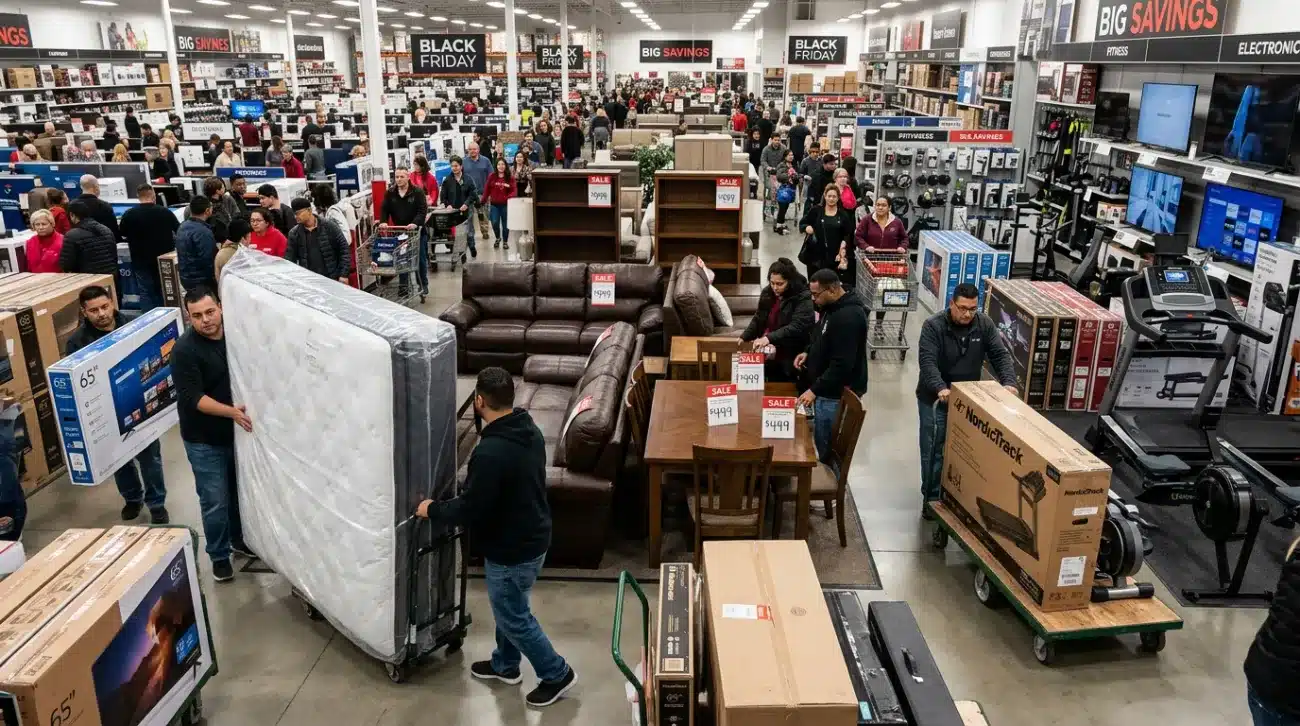
Televisions, computers and tablets dominate Black Friday advertising, and some bargains are real. Still, newly released models don’t always get the deepest cuts, since retailers tend to care more about moving older models than about discounting products that just arrived. Last year’s television, laptop, tablet or smartphone often delivers many of the same features for much less, and other major sales during the year are worth checking too.
Mattresses are heavily promoted with eye-catching percentages, but the holiday is far from the only opening. Mattress companies run sales around Presidents’ Day, Memorial Day, Labor Day and other holiday weekends. A mattress listed at 50% or 60% off is not automatically a bargain if the regular price is rarely what the retailer actually charges. Compare several sellers, look at earlier sale prices, and weigh return policies, trial periods, delivery fees and warranties alongside the headline discount.
Furniture follows a similar pattern. Sofas, dining tables and bedroom sets appear in Black Friday promotions, yet comparable discounts show up on other holiday weekends. Delivery fees, assembly charges, financing terms and return rules can make an appealing price look much weaker. Check the final cost after fees, compare online and in-store sellers, and set Black Friday pricing against Presidents’ Day, Memorial Day and Labor Day offers if time allows.
Fitness equipment such as treadmills, exercise bikes, weights and ellipticals also turns up in holiday ads. Because it is a substantial investment, a deeply discounted model may come with fewer features, lower weight capacities, shorter warranties or limited customer support. Research the exact model, read reviews, and compare shipping costs and return terms. January can bring fresh promotions as retailers capitalize on New Year’s resolutions.
Christmas Decorations and Winter Clothing Prices
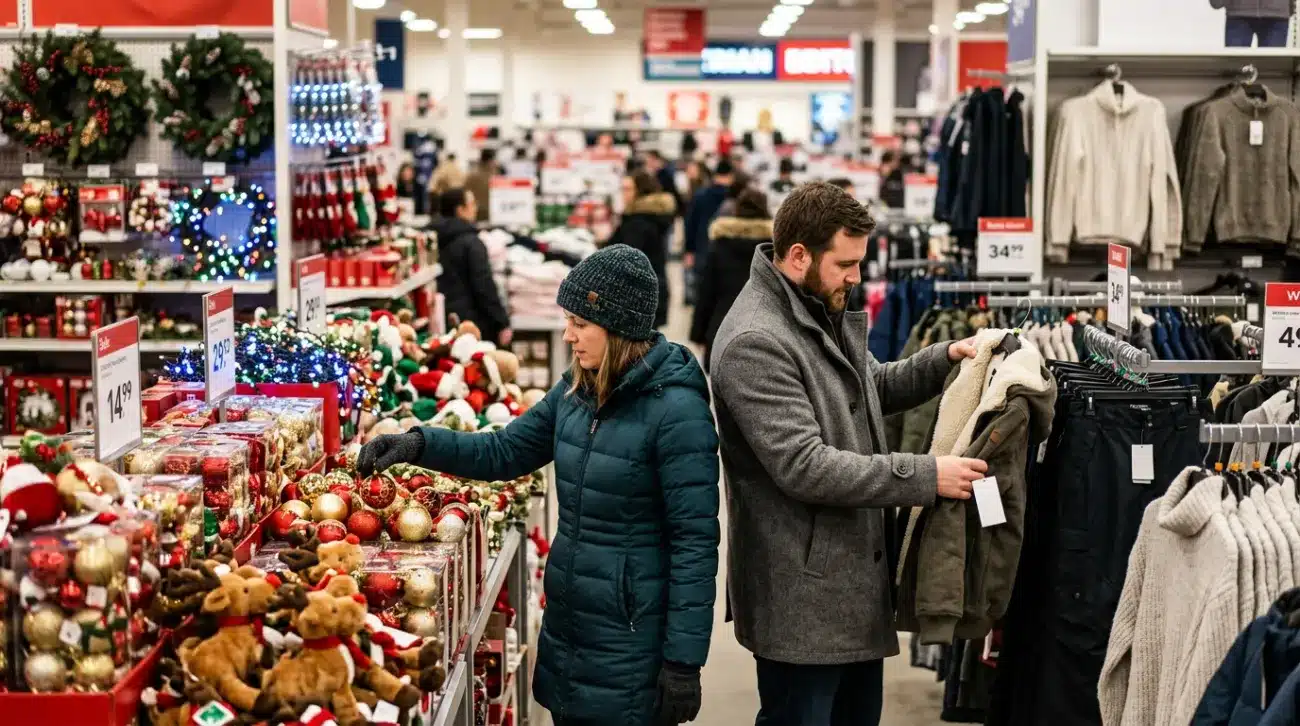
It may seem odd to warn against buying Christmas decorations on Black Friday, but patience can pay off. Artificial trees, lights, wreaths and ornaments are popular that weekend, yet retailers often cut prices further as Christmas approaches and they clear seasonal stock. Shopping the week before the holiday, or after it, can mean better prices, and post-Christmas clearance is a good moment to stock up on ornaments, wrapping paper and trees for next year.
Winter coats, boots, sweaters and gloves are everywhere in November, but early-season prices are not always at their lowest. Stores usually have plenty of inventory then, and deeper markdowns tend to arrive later, when they need room for spring merchandise. Winter clearance sales in January and February may offer significant savings. If you need a warm coat right now, though, a genuine Black Friday discount can still make sense.
Gift Cards, Toys, Appliances and Beauty Bundles
Gift cards are convenient, but paying full price for one on Black Friday saves nothing. Some retailers do offer bonus cards during the holiday season, such as a $10 promotional card with a $50 gift card purchase, but not every promotion is a bargain. Read the restrictions and expiration dates, and check warehouse clubs and reputable gift card retailers for discounts during the year.
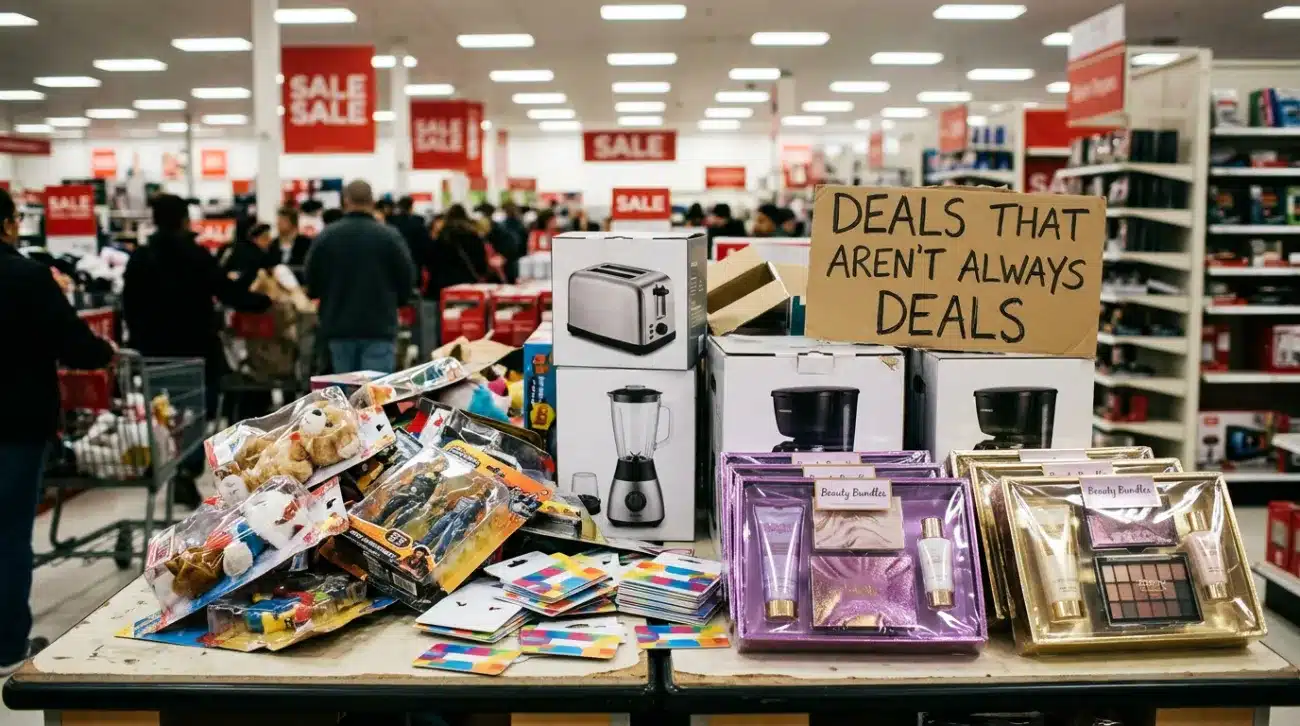
Toys are another category to approach carefully. Popular ones can sell out fast, and retailers know that parents will often pay more for a must-have gift. Limited availability makes comparison harder. List the toys you plan to buy, compare Amazon, Walmart, Target and other retailers, and use price-tracking tools to see whether the current price is truly lower than before Black Friday.
Air fryers, coffee makers, blenders, mixers and pressure cookers are popular purchases, and some of those deals are good. But a $20 gadget that sits unused in a cabinet is not saving you money. Decide which appliances you actually need first, and compare model numbers, because retailers sometimes sell special versions with fewer accessories or different specifications during big sales.
Beauty gift sets, skincare collections and fragrance bundles make handy presents, yet the savings can be less impressive than advertised. Bundles may include smaller sizes, discontinued items or products that aren’t popular, and you may pay for things you wouldn’t normally buy. Compare individual prices with the bundle price, and confirm the contents will be used.
Extended Warranties and Inflated Original Prices
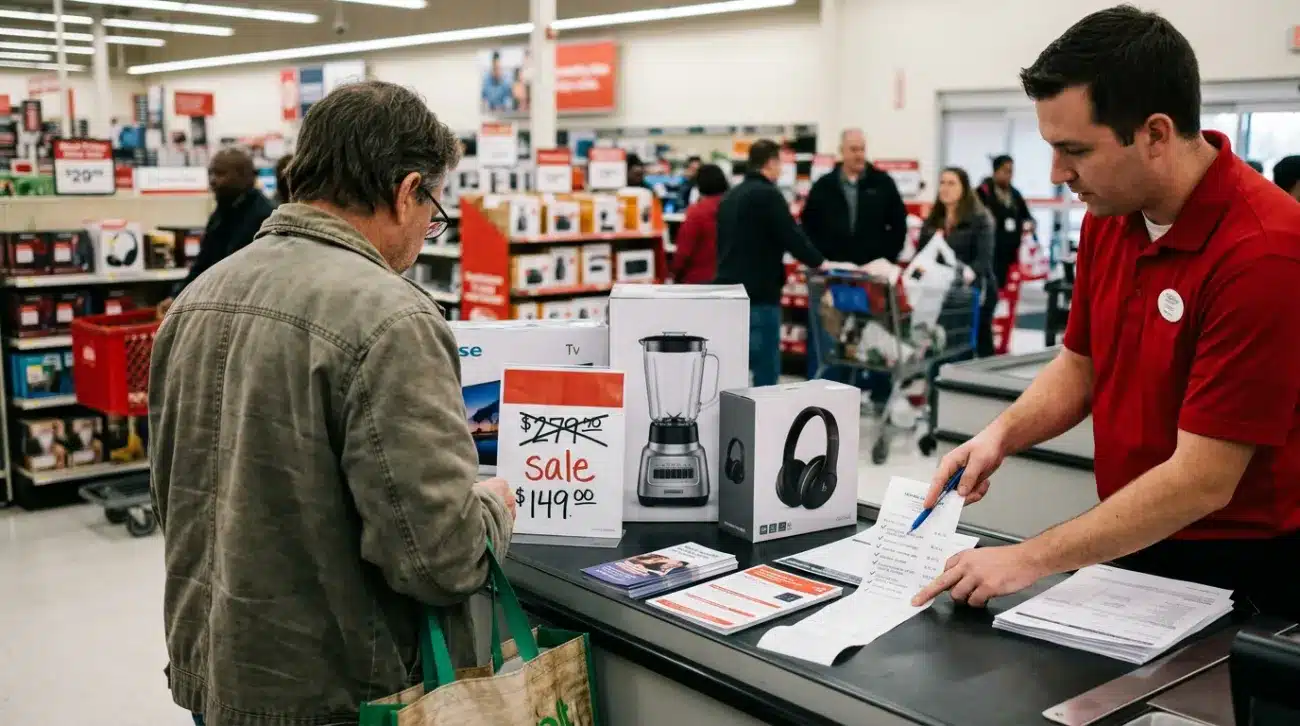
At checkout, televisions, computers, appliances and other electronics may come with an offer of an extended warranty. These plans can sound reassuring but aren’t always worth the extra money. Some products already carry a manufacturer warranty, and certain credit cards add purchase protection or extended warranty benefits. Read the manufacturer’s coverage, check your card, and review what any protection plan covers, how long it lasts and which exclusions apply.
Inflated original prices are one of the biggest things to watch out for on Black Friday. A retailer might advertise 60% off, but some products carry suggested retail prices that make the markdown look far larger than the actual savings.
A product advertised as regularly $100 and now $40 sounds fantastic. But if the same item has sold for $45 for several months, the Black Friday savings are far smaller than they seem.
Checking price history is the remedy. CamelCamelCamel and Keepa can help Amazon shoppers track historical prices, and comparing retailers shows whether a discount is genuine.
Impulse Buying: Skip Anything You Didn’t Plan to Buy

This may be the most important rule of all. Black Friday promotions are built to encourage impulse purchases, and countdown clocks, low-stock warnings and flashy discounts can make you feel you must buy immediately. But buying something you don’t need isn’t saving money, however large the discount looks. Write a shopping list and set a budget beforehand. If an unexpected deal appears, take a few minutes to compare prices and ask whether you would have bought the item without the sale.
Smart Black Friday Deals: What Is Worth Buying

Skipping some purchases doesn’t mean avoiding the event altogether. Older television models and select popular brands can have some of their best advertised prices of the year. Amazon devices, including Echo speakers, Fire TV devices, Kindle readers and Ring products, frequently receive significant discounts. Air fryers, coffee makers and stand mixers are worth watching, as are smart home products like security cameras, smart plugs, video doorbells and smart lighting. Popular toys, board games and gaming accessories can also be discounted, while sheets, blankets, towels, wireless earbuds, headphones and computer accessories may offer good value. The key is to confirm the discount is real rather than shopping because something carries a Black Friday label.
Black Friday Shopping Tips to Avoid Wasting Money
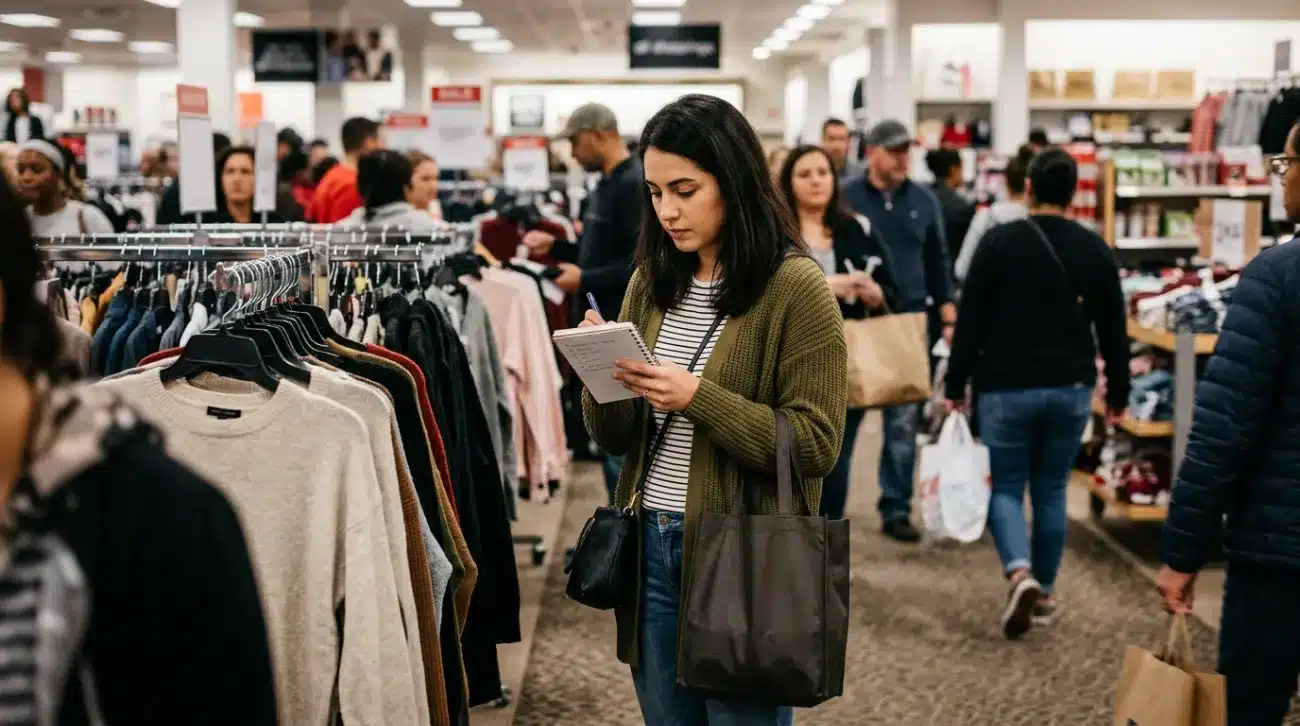
Start by deciding what you need before browsing ads, and set a spending limit you will stick to. Check Amazon, Walmart, Target, Best Buy and other retailers before purchasing, and confirm the model number so you are comparing the same product rather than a special holiday version with different features. A big percentage off doesn’t always mean the lowest price, so research price history. Read the return policy, since some holiday purchases have different deadlines or restrictions. Don’t fall for countdown timers; if a deal seems too good to be true, research it before checkout. Finally, watch for shipping, delivery, assembly and financing fees, which can quickly erode your savings.
Black Friday Deals FAQ: Common Shopper Questions
Are Black Friday deals really cheaper?
Some offer genuine savings, but not every advertised discount is the lowest price of the year. Prices vary by retailer and product, so compare and check historical pricing.
What is the worst thing to buy on Black Friday?
No single item is universally bad, but impulse buys rank among the worst. Purchasing something you don’t need because of a large discount can cost more than it saves.
Is it better to shop before or after Black Friday?
It depends on the product. Some electronics, appliances and toys have competitive Black Friday promotions, while seasonal items like Christmas decorations and winter clothing may be discounted more deeply later.
Should I wait until Cyber Monday to buy electronics?
Not necessarily. Some electronics have excellent Black Friday prices, while others get extra discounts on Cyber Monday, so compare the specific product instead of assuming one day always wins.
How can I tell if a Black Friday deal is actually good?
Compare the current price with its history and with several retailers, and look at the exact model number, included accessories, shipping costs and return policy. A genuine deal offers meaningful savings on something you want or need.
Smart Savings Start With Knowing When Not to Shop

Black Friday can be a fine time to save on gifts, household essentials and larger purchases, but the biggest discounts aren’t always the best deals, and shopping without a plan can lead straight to overspending. Before buying anything, compare prices, ask whether you truly need the item, and consider whether waiting for another sale could save even more. The best deal isn’t necessarily the one with the biggest discount; it’s the one that saves you money on something you were already planning to buy.