Plenty of conversations about getting older focus on what is lost, but the research and lived experience tell a more balanced story. 9 things that actually get better after age 60 is not a claim that aging is easy or that everyone’s experience is the same. Health challenges, financial pressures, and loss are real parts of later life for many people. Still, a growing body of psychology and gerontology research suggests that several important areas of life tend to hold steady or improve as people move through their sixties and beyond. This article looks at nine of them, using cautious language where the science is still developing and where individual results vary widely.
Emotional Well-Being and Life Satisfaction in Later Life
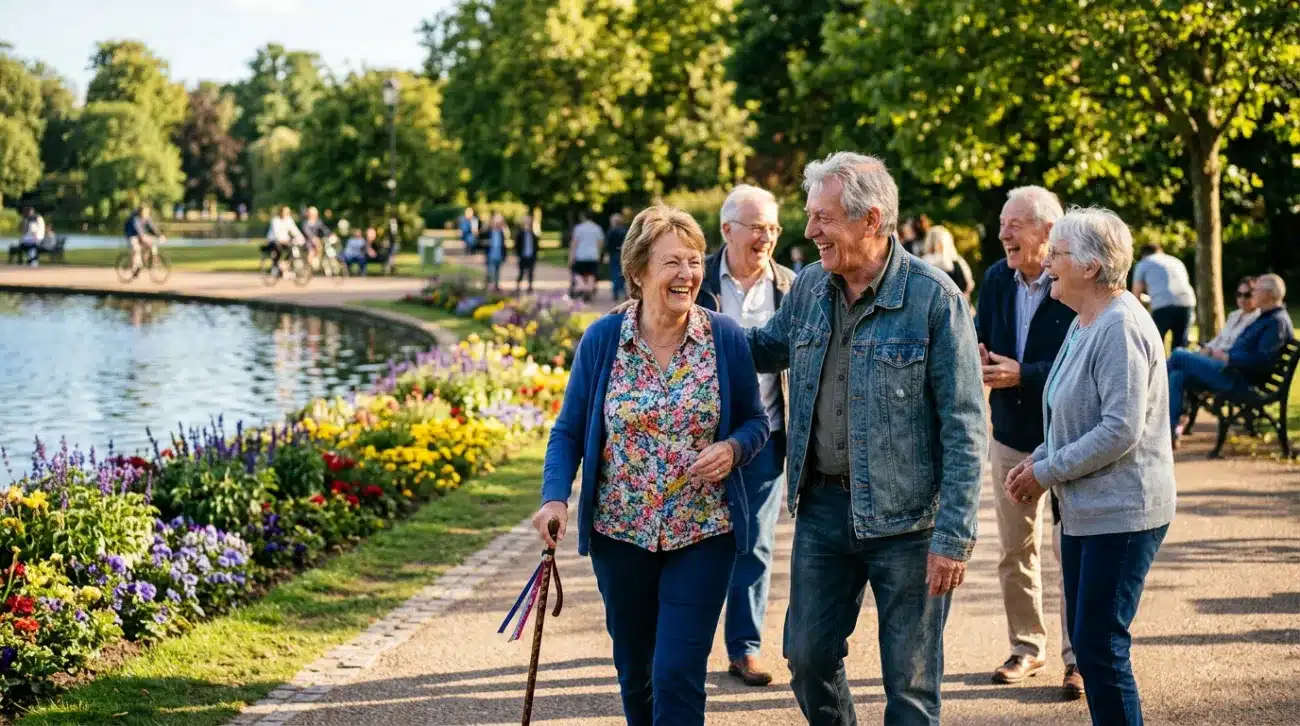
One of the most discussed findings in the study of aging is that emotional well-being often improves rather than declines. Several large surveys and research papers over the years have described a pattern in which reported happiness dips in midlife and rises again in later adulthood. Researchers sometimes call this the “U-shaped” happiness curve. Not every study agrees on the exact timing or size of the pattern, and results differ between countries and between individuals.
Even so, the idea that later life can be a time of greater contentment appears repeatedly in the literature. Many people report that once career pressures and child-rearing demands ease, they have more room to enjoy daily life. That does not erase hardship, but it challenges the assumption that every year after 60 is a step downhill.
Emotional Regulation and the Positivity Effect
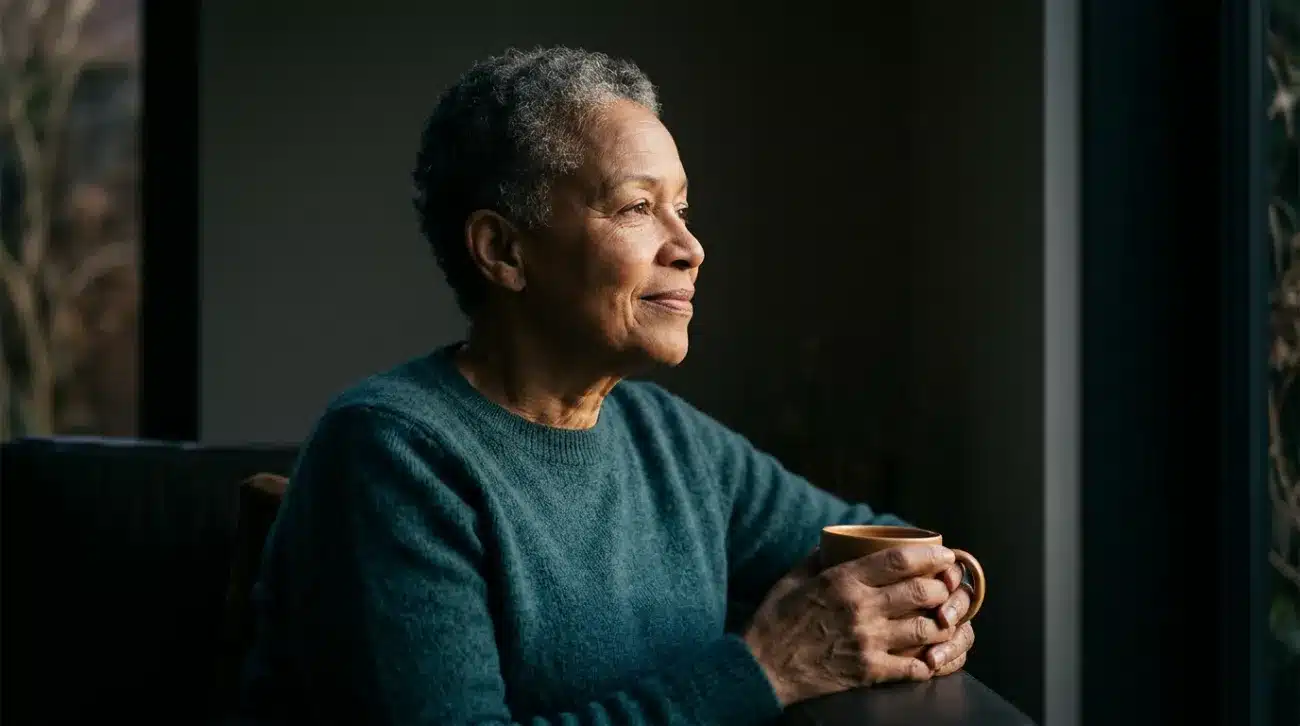
Psychologist Laura Carstensen of Stanford University developed socioemotional selectivity theory, which proposes that as people perceive their remaining time as more limited, they shift priorities toward emotionally meaningful goals. In practice, this can mean spending less energy on conflicts and more on experiences that feel rewarding.
Related research has described what is often called the positivity effect, in which older adults, on average, pay more attention to and remember positive information relative to negative information than younger adults do. This is a tendency across groups, not a rule for every person. Still, it suggests that managing emotions can become easier with age, and many older adults describe themselves as calmer in the face of everyday irritations.
Vocabulary, Knowledge, and Crystallized Intelligence

Cognitive scientists often distinguish between fluid intelligence, which involves processing new information quickly, and crystallized intelligence, which refers to accumulated knowledge and verbal skills. Research on cognitive aging has long indicated that processing speed tends to slow with age, while vocabulary and general knowledge often remain stable or continue to grow well into later life.
This is one reason older adults can excel at activities such as crosswords, storytelling, teaching, and mentoring. A lifetime of reading, working, and conversing builds a deep store of information. Drawing on that store efficiently is a genuine cognitive strength, even if recalling a specific name occasionally takes a little longer.
Meaningful Relationships and Social Connections

The Harvard Study of Adult Development, one of the longest-running studies of adult life, has reported that the quality of people’s relationships is strongly connected to their health and happiness as they age. The study’s directors have drawn attention to the value of warm, trusting connections rather than the sheer number of friendships.
Socioemotional selectivity theory points in a similar direction: many older adults narrow their social circles but deepen the bonds that remain. After 60, people often have more freedom to choose who they spend time with. Many find that relationships with spouses, adult children, grandchildren, and longtime friends become richer because they are chosen more deliberately and valued more consciously.
Stress Levels and Everyday Worry

Several national surveys over the years have found that older adults tend to report lower levels of daily stress and worry than adults in their thirties, forties, and fifties. Researchers have offered possible explanations, including fewer competing demands, more experience handling setbacks, and greater acceptance of things that cannot be changed. These explanations remain interpretations, and the surveys cannot capture every older person’s circumstances.
It is also worth remembering that stress can rise for those facing caregiving duties, health problems, or financial strain. The finding describes a general tendency, not a guarantee. Yet for many people, leaving behind the daily pressures of a demanding career brings a noticeable sense of relief.
Time, Purpose, and the Freedom to Choose

Retirement or reduced work hours can give people something many have not had in decades: control over their schedules. That freedom can be used for hobbies, travel, volunteering, creative projects, or simply slower mornings. Not everyone retires at the same age, and some continue working by choice or necessity, but many people in their sixties and beyond describe a growing ability to decide how their days are spent.
Research on volunteering and sense of purpose in older adults has often linked these activities to better well-being, though such studies generally show association rather than proof of cause. Even so, finding a role that feels meaningful, whether through a community group, a faith organization, or helping family, is a common source of satisfaction after 60.