7 Foods That Quietly Lower Blood Pressure
A plain-language look at everyday foods linked to healthier blood pressure, and what the evidence does and does not show.
Foods that quietly lower blood pressure rarely make headlines, yet they may be among the most practical tools available to older adults who want to support heart health. High blood pressure often causes no symptoms, which is why it is sometimes called a silent condition. Under the 2017 American College of Cardiology and American Heart Association guidelines, a reading of 130/80 mmHg or higher is classified as high. Diet is one of several factors that influence those numbers, alongside medication, activity, sleep and weight. This article looks at seven everyday foods that research and major health organizations connect with healthier blood pressure, and it notes where the evidence is stronger or weaker.
Blood Pressure and the Role of Diet

Much of what is known about food and blood pressure comes from the DASH eating plan, short for Dietary Approaches to Stop Hypertension. It was developed in studies supported by the U.S. National Institutes of Health. The plan emphasizes vegetables, fruits, whole grains, low-fat dairy, beans, nuts and fish, while limiting sodium, sweets and saturated fat. Its results come from the whole eating pattern rather than from any single ingredient, so the foods below are best understood as parts of a larger approach.
Sodium is the other half of the picture. The American Heart Association advises limiting sodium to no more than 2,300 milligrams a day, with an ideal limit of about 1,500 milligrams for most adults. Several of the foods discussed here supply potassium, which the association says can help the body ease the effects of sodium and relax blood vessel walls.
No single food replaces prescribed treatment. Research on individual foods is often observational or based on small trials, and observational findings show an association, not proof of cause.
Leafy Greens and Potassium
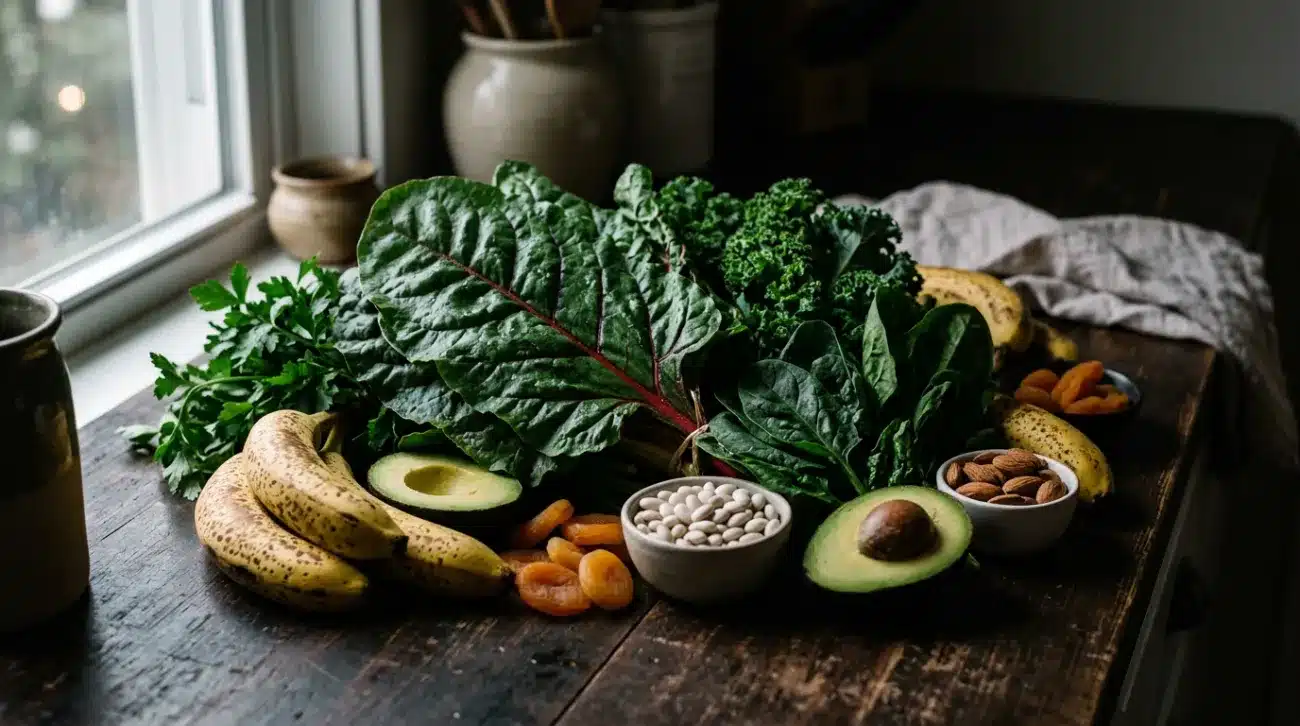
Spinach, kale, collards and similar greens are valued for their potassium content and for dietary nitrates, which the body can convert into nitric oxide, a compound involved in widening blood vessels. Because potassium works against sodium’s effects, vegetables rich in it feature prominently in DASH-style eating. Other potassium-rich choices, such as bananas, sweet potatoes and tomatoes, serve a similar purpose. Anyone taking the blood thinner warfarin should know that leafy greens contain vitamin K, and clinicians typically advise keeping intake consistent rather than avoiding greens altogether.
Berries and Plant Compounds

Blueberries, strawberries and other berries contain flavonoids, including anthocyanins, the pigments responsible for their deep colors. Some large observational studies have linked higher intake of these compounds with a lower risk of developing high blood pressure. Because those studies cannot rule out other lifestyle differences among participants, the findings are suggestive rather than conclusive. Berries are also low in sodium and provide fiber, which makes them a sensible swap for processed desserts. Fresh and frozen versions without added sugar are both reasonable options.
Beets and Dietary Nitrate
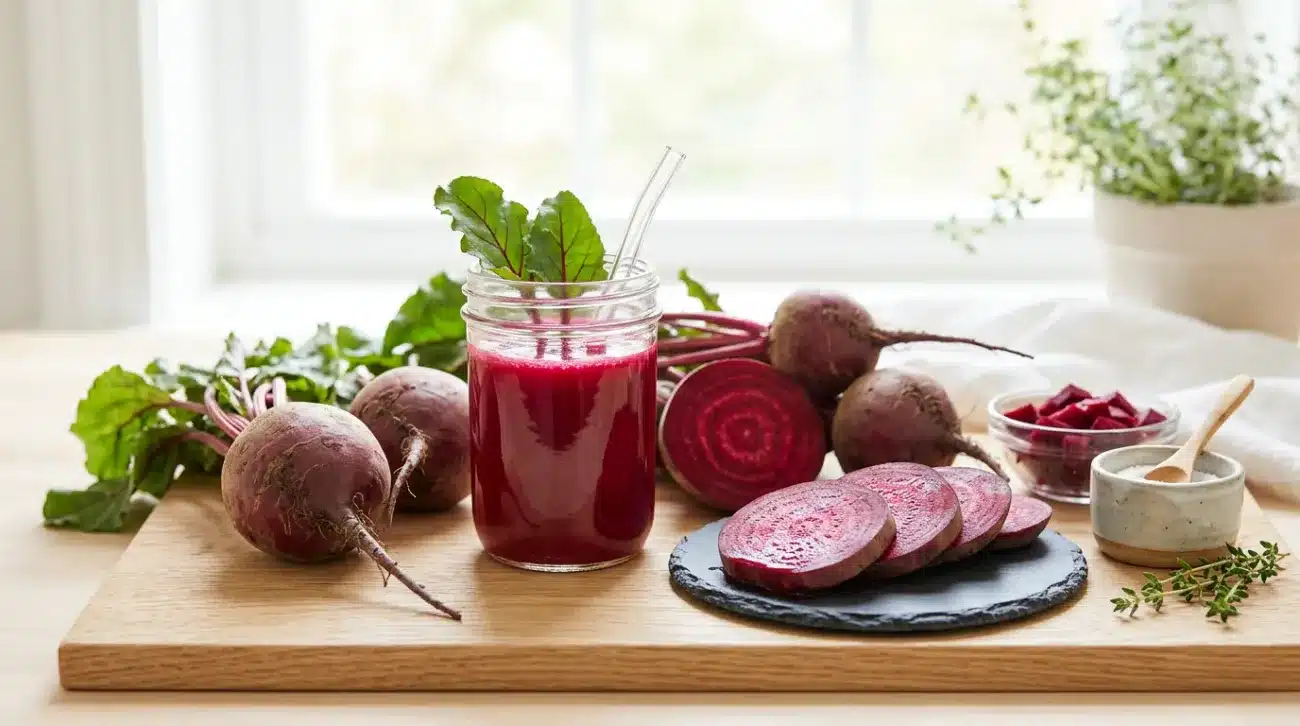
Beets are one of the better-studied foods in this area. They are naturally high in nitrate, and in the body that nitrate contributes to nitric oxide production. Several small trials of beetroot juice have reported modest drops in blood pressure, although results vary between studies and the effects may not last once consumption stops. Beets contain oxalates, so people with a history of kidney stones are often advised to ask a clinician before eating them regularly. Beet juice may also be sweeter and more concentrated than whole cooked beets, so reading labels is worthwhile.
Oats and Whole Grains

Whole grains are a core part of the DASH plan, and oats are one of the most accessible. They supply fiber, including a type called beta-glucan, and they contain no sodium on their own. Evidence for oats specifically is more limited than for the overall dietary pattern, so the safest statement is that oats fit well within an eating style associated with lower blood pressure. Plain rolled or steel-cut oats are generally a better fit than flavored instant packets, which can contain added sugar and sodium. Toppings such as berries or unsalted nuts can add flavor without extra salt.
People with kidney disease, and those taking ACE inhibitors, angiotensin receptor blockers or potassium-sparing diuretics, may need to limit potassium. Check with a doctor or dietitian before raising potassium intake, and do not change blood pressure medication without medical advice.
Low-Fat Yogurt and Dairy
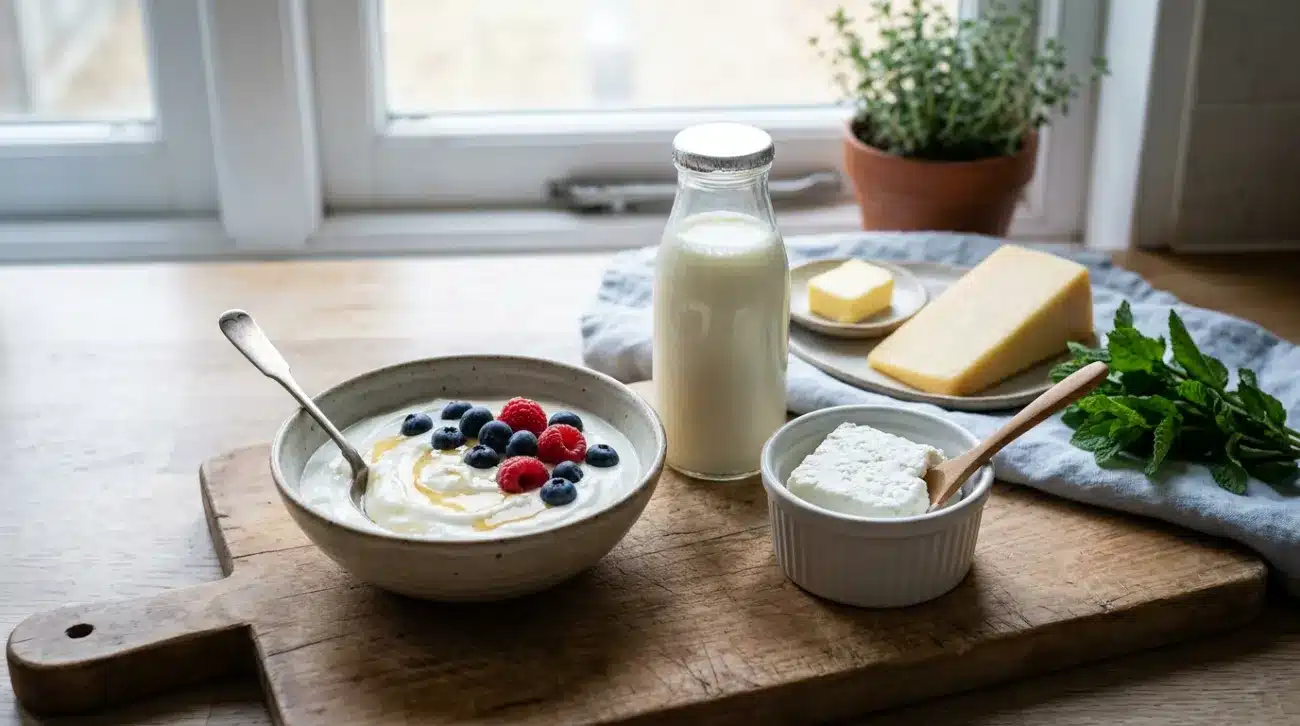
Low-fat dairy is a defining feature of the DASH plan, which includes it as a source of calcium and protein. Plain yogurt also provides potassium. Some observational research has associated regular yogurt consumption with a lower risk of high blood pressure, though such studies cannot show that yogurt itself is the cause. Flavored and sweetened varieties can contain substantial added sugar, so plain, unsweetened yogurt topped with fruit is usually the better route. Those who avoid dairy can discuss alternatives with a dietitian.