

Incontinence can be a significant issue for seniors, impacting their quality of life and overall wellbeing. Fortunately, there are many ways to reduce incontinence and improve the lives of those affected by it. This article will discuss some of the most effective methods for reducing incontinence in seniors. Stay tuned for more information!
Stay Active

One of the best ways to reduce incontinence is to stay active and exercise regularly. Exercise helps strengthen the pelvic floor muscles, which can help control bladder leakage. Try incorporating some simple exercises into your routine, such as Kegels or Pilates. Kegels are especially effective for strengthening the pelvic floor muscles. Pilates can also help improve muscle tone and posture, which can also help reduce incontinence.
Stay Hydrated
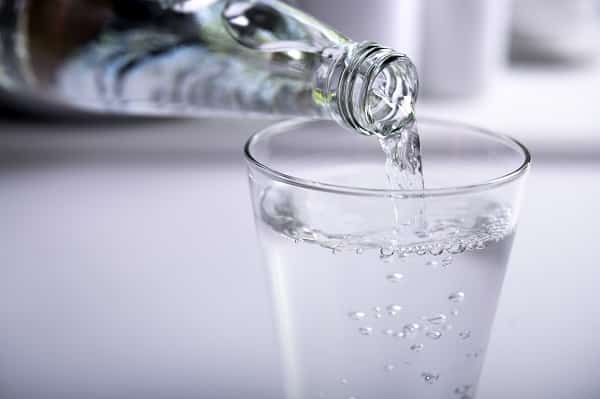
Another important way to reduce incontinence is to stay hydrated. Staying hydrated helps keep the bladder healthy and functioning correctly. Drink plenty of water each day and avoid drinking excessive amounts of caffeine or alcohol, both of which can aggravate urinary incontinence. Sipping small amounts of water throughout the day is better to prevent dehydration than drinking large amounts all at once. This will also help to reduce the urge to urinate frequently.
Avoid Certain Foods
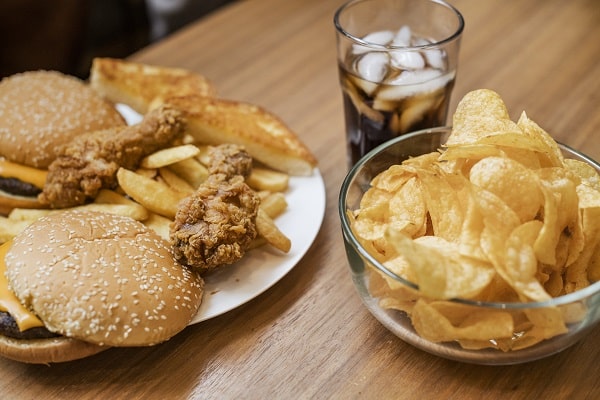
There are also certain foods that you may want to avoid if you suffer from urinary incontinence. Foods high in sugar or sodium can irritate the bladder and make symptoms worse. Try avoiding processed foods and sugary drinks and opting for healthier options instead.
Weight Management
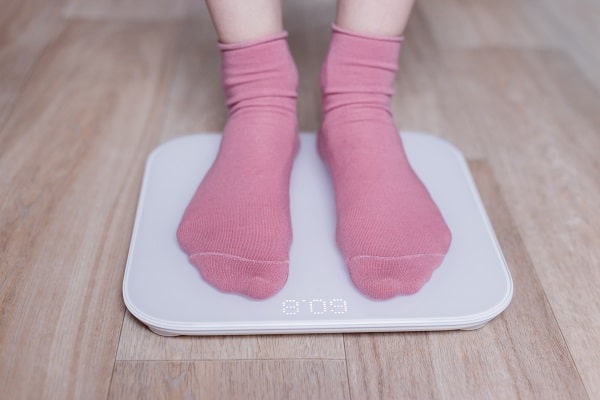
Maintaining a healthy weight is also important for reducing incontinence. Excess weight can put pressure on the bladder and lead to leakage. Losing even a few pounds can make a big difference in your symptoms. Try making simple lifestyle changes, such as eating healthier and getting more exercise.
Fluid Intake

Cutting back on fluids may seem counterintuitive, but it can help to reduce incontinence. Drinking too much fluid can increase the need to urinate, exacerbating incontinence symptoms. Instead, focus on drinking small amounts of fluids throughout the day, and avoid caffeine and alcohol, which can irritate the bladder.
Change Your Diet

What you eat can also impact your incontinence. Foods high in acidity or caffeine can irritate the bladder and make incontinence worse. Try to avoid these trigger foods and instead focus on eating plenty of fiber, which can help to bulk up stool and reduce leakage. Make sure you drink plenty of fluids throughout the day and avoid foods that are known to aggravate urinary tract issues, such as caffeine and alcohol. Also, eat plenty of fruits and vegetables high in fiber and beneficial for overall health.


