Beans and Lentils for Heart Health

Beans, lentils and peas provide potassium, magnesium and fiber, three nutrients commonly associated with healthier blood pressure in dietary guidance. They are also affordable, shelf-stable and versatile in soups, salads and side dishes. Canned varieties can be high in sodium, but draining and rinsing them is commonly advised and can remove some of it. Choosing cans labeled low sodium or no salt added helps further. Dried beans, cooked at home, offer the most control over seasoning.
Fatty Fish and Omega-3 Fats
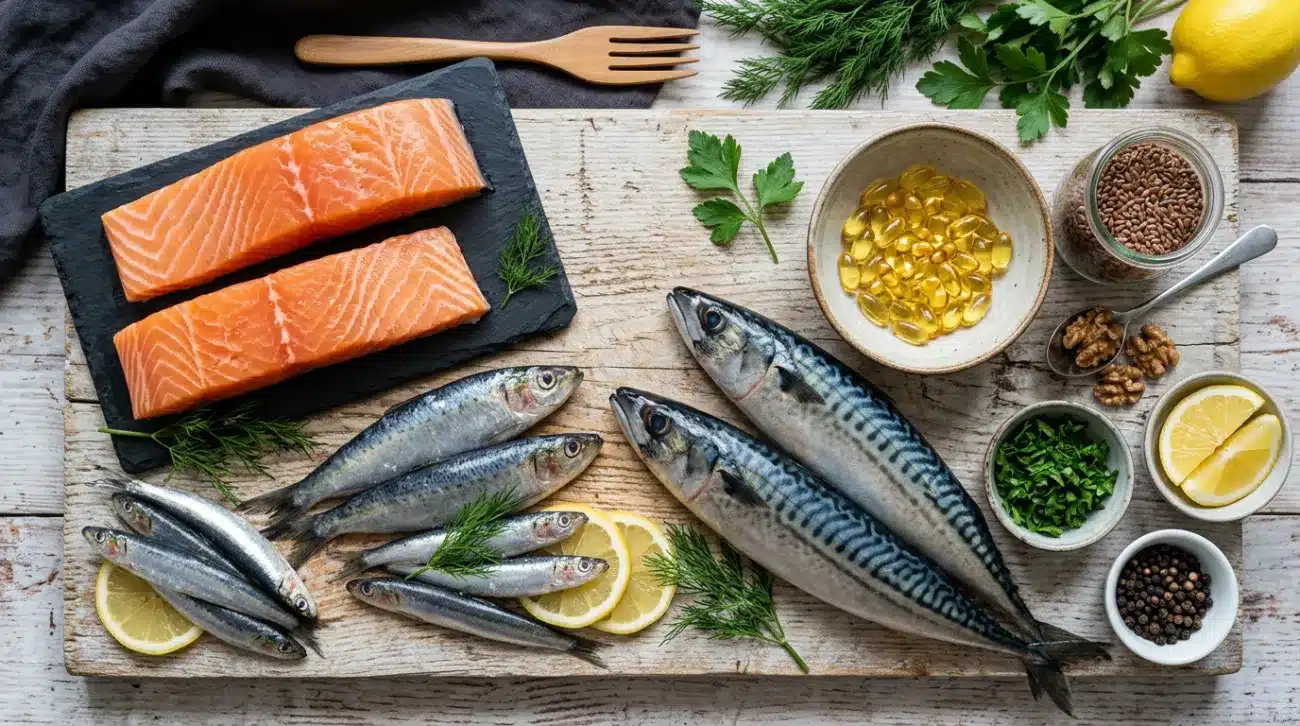
The American Heart Association recommends eating fish at least twice a week, with a preference for fatty types such as salmon, trout, herring and sardines. These fish are rich in omega-3 fatty acids, which are associated with several cardiovascular benefits. Evidence for blood pressure itself is generally described as modest, and food sources are not the same as fish oil supplements, which should be discussed with a clinician. Preparation matters: baking, grilling or poaching fits a heart-healthy plan better than frying, and heavily smoked or cured fish can be very high in sodium.
The cards below group each food by the nutrient or compound most often discussed in connection with it. This is a contextual breakdown for orientation, not measured data, and it does not rank the foods.
Leafy Greens
Potassium and dietary nitrate
Berries
Flavonoids such as anthocyanins
Beets
Dietary nitrate
Oats
Whole-grain fiber
Low-Fat Yogurt
Calcium and potassium
Beans and Lentils
Potassium, magnesium and fiber
Fatty Fish
Omega-3 fatty acids
Putting These Foods to Work

Adding these foods works best when it accompanies, rather than replaces, the habits that matter most. Cutting back on processed and restaurant foods, which are major sources of sodium for many people, tends to make a larger difference than any single addition. Gradual changes, such as a bowl of oatmeal with berries at breakfast or a bean-based soup at lunch, are easier to maintain than a complete overhaul. Home blood pressure monitoring and regular checkups help show whether changes are helping, and a doctor can interpret the results in the context of an individual’s health and medications.
Quiet Changes at the Table
The foods that quietly lower blood pressure are neither exotic nor expensive, and their value lies in how they fit into an overall pattern of eating rather than in any one miracle ingredient. Leafy greens, berries, beets, oats, plain yogurt, beans and fatty fish all appear in the dietary approaches that major health organizations recommend, though the strength of evidence differs from food to food. Used alongside lower sodium intake, regular activity and appropriate medical care, they offer a steady, low-risk way to support healthier numbers over time. Anyone with high blood pressure, kidney concerns or a complicated medication list should talk with a healthcare professional before making major dietary changes.